The showroom in Hailey is open from 9am - 4pm Monday - Friday

Everything You Need To Know About Gas Fireplaces

Understanding Gas Fireplaces: An Overview
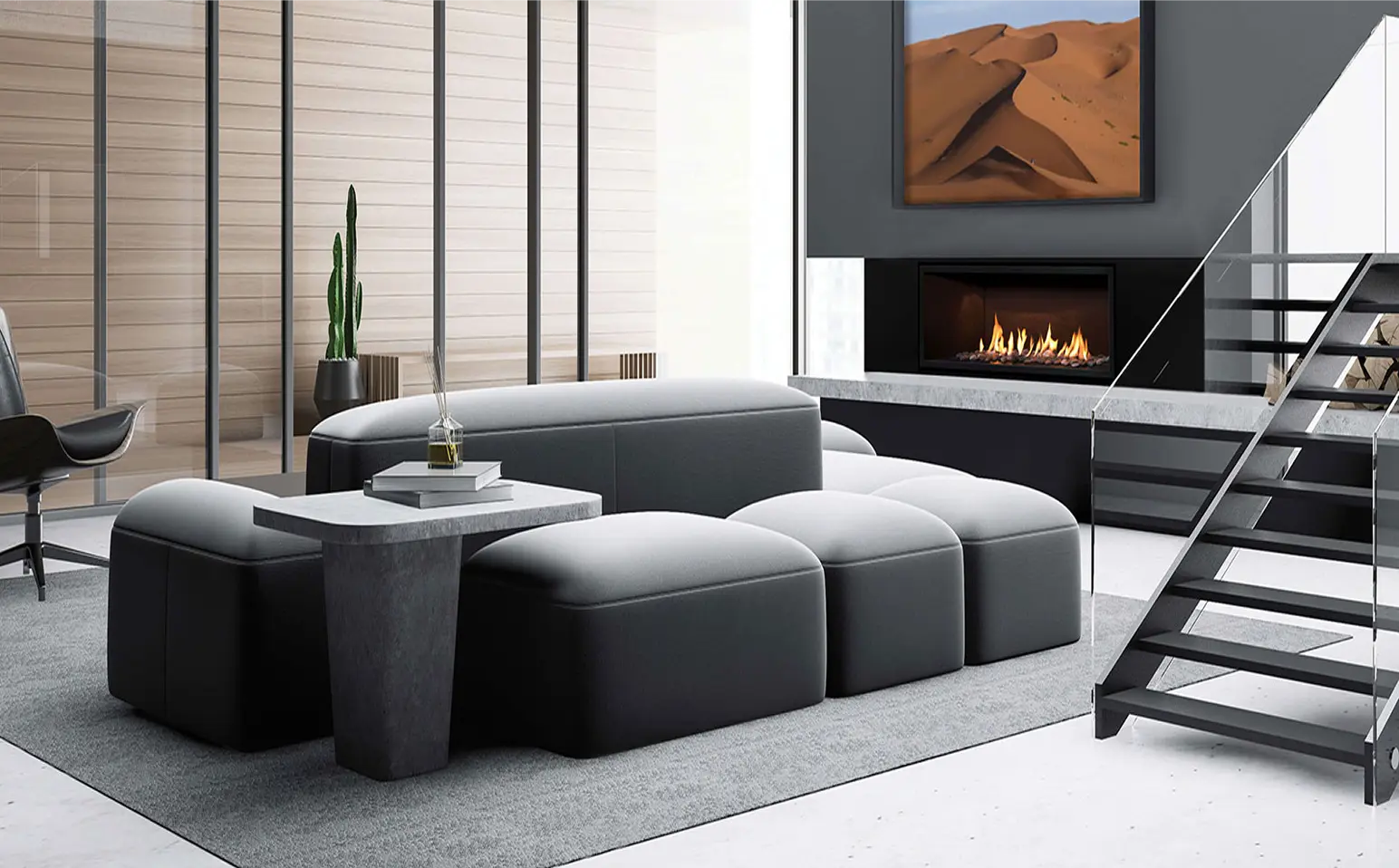
Gas fireplaces have gradually become a popular alternative to traditional wood-burning fireplaces because they offer warmth, convenience, and modern design. Instead of burning logs, these fireplaces use natural gas or propane to produce steady heat and flame.
A lot of homeowners like the way they quickly start, with the push of a button on a remote or a wall switch
As opposed to wood fireplaces, they require far less maintenance since there is no ash, soot, or wood storage involved. At the same time, modern gas fireplaces mimic the appearance of real wood fires through ceramic logs, glowing embers, and carefully controlled flames, all of which create a cozy atmosphere without the usual hassle.
In this gas fireplace guide, you will find out how these systems work, the different types available, and what homeowners should consider before installation.
Gas Fireplace Components Explained
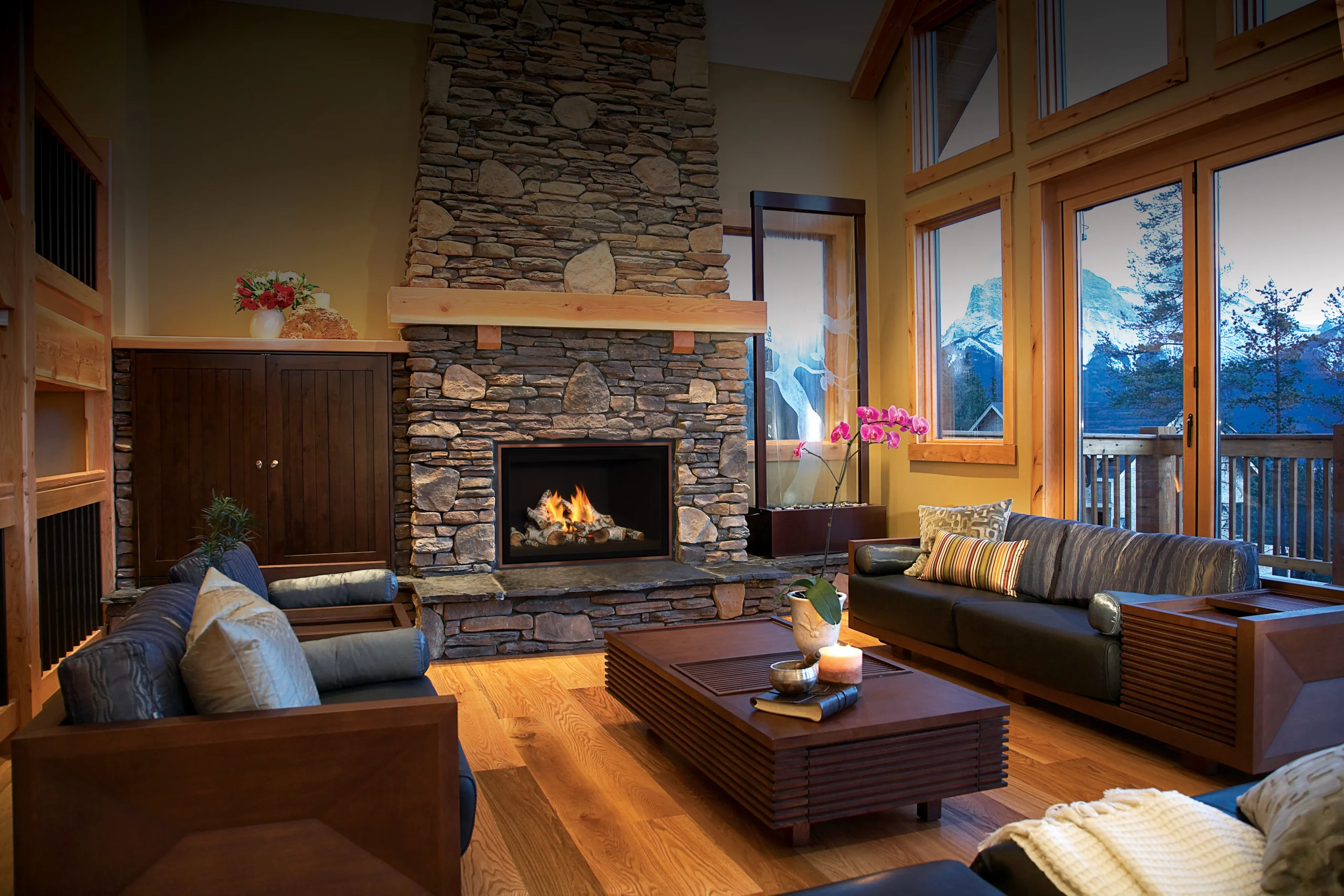
A gas fireplace may appear simple from the outside; however, several components work together to create safe and efficient heat. Understanding these parts is an important step in learning everything about gas fireplaces.
At the heart of the system sits the burner, which distributes gas evenly to produce a consistent flame pattern. Connected to the burner is the gas valve, a crucial part that controls the flow of fuel into the unit. Many fireplaces also include a control module or thermostat that allows users to adjust heat levels with a switch, remote, or smart control.
Decorative elements such as ceramic logs, fire glass, or stones are placed above the burner to create the familiar look of a traditional fire. Beneath these elements, glowing embers or media help reflect the flames and enhance the visual effect.
Together, these parts provide essential gas fireplace information that helps homeowners understand how the system safely produces heat and realistic flames.
Upgrade your home with a modern gas fireplace that delivers warmth, comfort, and style.
Call (208) 578-2184 to get started today.
How a Gas Fireplace Ignition System Works
The ignition system is responsible for lighting the gas in a fireplace safely and reliably. To understand how do gas fireplaces work, you have to be thoroughly familiar with the ignition process, which controls when gas is released and how the flame is created.
Most modern gas fireplaces use either a standing pilot light or an electronic ignition system. In a standing pilot setup, a small flame burns continuously, generating a low voltage signal to the valve so it is ready to ignite the main burner whenever the fireplace is turned on.
This design is simple and dependable, though it uses a small amount of gas even when the fireplace is not in active use.
Electronic ignition systems operate differently and are common in newer models. When the user activates the fireplace with a switch or remote, the system creates a spark that typically first ignites the pilot light and then once a current is established opens the valve to allow gas to flow to the burner.
Because the pilot flame only appears when needed, electronic systems tend to be more energy efficient. Most ele
As both systems first identify a flame, or pilot light, the fireplace can safely be used as any disruption in that flame automatically shuts off the gas supply, which helps protect the home and its occupants.
Gas Fireplace Categories by Location
Gas fireplaces are commonly categorized by where they are installed: indoors or outdoors. Indoor models focus on efficient heating and interior design appeal, while outdoor fireplaces are built to withstand weather and enhance exterior living spaces.
Indoor Gas Fireplaces: Comfort and Appearance
Indoor gas fireplaces are designed to create a warm and inviting focal point within a home, often adding more to the atmosphere than serving as a primary heating source. In many modern homes with central heating and air conditioning, these fireplaces are valued as much for their visual appeal as for the comfort they provide.
Today’s models come in a wide range of styles, from traditional designs with ceramic logs to sleek contemporary units featuring fire glass or stones.
An important consideration when choosing an indoor gas fireplace is whether the unit is heater-rated or decorative. Heater-rated fireplaces are designed to capture a significant portion of the heat produced by the burner and return it to the room, making them more efficient for supplemental heating.
Decorative fireplaces, on the other hand, are designed to direct most of that heat out through the venting system. This allows them to run for longer periods without overheating the space, which can be especially useful during milder seasons such as spring and fall.
Many homeowners also appreciate the level of control these fireplaces offer. Temperature settings, flame height, and lighting effects can often be adjusted through wall switches, remote controls, or smart home systems. This convenience makes it easy to create a comfortable setting within seconds.
Beyond functionality, indoor gas fireplaces contribute significantly to interior design. Built-in units can be integrated into walls or entertainment features, while freestanding models add character to living rooms, bedrooms, or private sitting areas.
Ready to bring warmth and ambiance indoors? Explore our full range of heater-rated and decorative gas fireplaces. Available in traditional, contemporary, and multi-sided styles.
Outdoor Gas Fireplaces: Weather-Resistance and Ambiance
Outdoor gas fireplaces are designed specifically to enhance patios, decks, and backyard gathering areas while being unaffected by changing weather conditions. Unlike indoor units, these fireplaces are built with durable materials such as stainless steel, stone, or weather-resistant coatings that protect the components from moisture, wind, and temperature fluctuations.
Functionality is only part of their appeal. Outdoor fireplaces create a welcoming focal point that encourages people to spend more time outside, even when the air turns cool. Families and guests often gather around the flames to relax, share meals, or enjoy evening conversations in a comfortable setting.
Another advantage lies in their convenience. With a gas connection or propane supply, users can ignite the fireplace instantly without the effort of building a wood fire. Many outdoor units also feature adjustable flames, decorative fire glass, or lava rocks that enhance the visual effect.
Types of Gas Fireplaces by Venting System
There are various types of gas fireplaces that are often classified according to the way they handle ventilation and exhaust gases. In general, gas fireplaces fall into three main categories: direct vent, B-vent, and vent-free models. Each design manages combustion air and exhaust differently.
Some systems draw air from outside the home and seal the firebox, while others rely on indoor air or operate without traditional venting at all.
Direct Vent Gas Fireplaces (Sealed Systems)
Direct vent gas fireplaces are widely considered one of the safest and most efficient options available today. These systems operate within a sealed firebox that separates the combustion process from the indoor air of the home. Instead of drawing oxygen from the room, a direct vent fireplace pulls fresh air from outside through a dedicated vent pipe.
At the same time, a second passage within the same pipe safely carries exhaust gases back outdoors.
Because the system is sealed, indoor air supply remains unaffected, which makes direct vent fireplaces particularly appealing for modern, energy-efficient homes. The sealed design also prevents drafts and reduces heat loss, which allows the fireplace to deliver consistent warmth without interfering with the home’s natural ventilation balance.
Installation flexibility is another advantage. Direct vent fireplaces can be vented vertically through the roof or horizontally through an exterior wall, giving homeowners more options when planning placement. Many contemporary models also feature large glass viewing panels, realistic log sets, and adjustable flame controls that enhance the visual experience.
B-Vent (Natural Vent) Gas Fireplaces
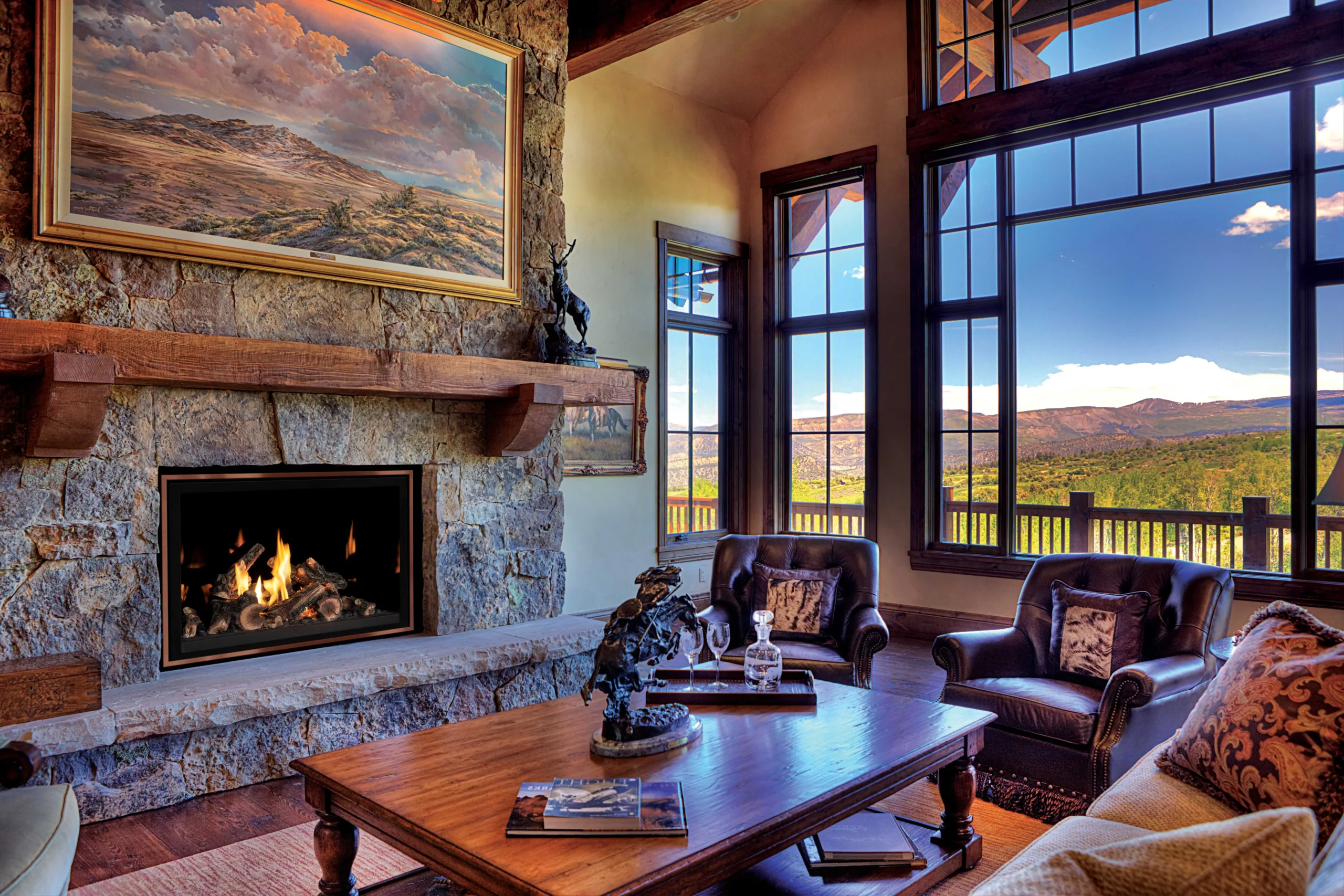
B-vent gas fireplaces, sometimes referred to as natural vent fireplaces, rely on a vertical venting system that uses the natural rise of hot air to carry combustion gases outdoors. These fireplaces typically connect to a double-walled metal vent pipe that runs upward through the home and exits through the roof.
As warm exhaust gases rise, fresh air from the room is drawn into the fireplace to support combustion.
Because B-vent fireplaces use indoor air for burning fuel, they are generally less efficient than sealed systems. Some of the heated air produced by the fireplace may escape through the vent along with the exhaust gases. Even so, B-vent fireplaces have come back into popularity due to their attractive flame presentation and open-hearth options.
The design of a B-vent system often allows for taller, more natural-looking flames compared with some other gas fireplace types. This visual appeal can make the fireplace a striking centerpiece in living rooms or open gathering spaces. Installation requirements usually include a vertical vent path and adequate clearance for the vent pipe.
Although they provide moderate heat output rather than high efficiency, B-vent fireplaces remain a popular choice for homeowners who value ambiance and a classic fireplace aesthetic.
Vent-Free (Ventless) Gas Fireplaces
Vent-free gas fireplaces, also known as ventless fireplaces, operate without a traditional chimney or venting system. Instead of directing exhaust gases outdoors, these units are designed to burn fuel very efficiently so that the combustion byproducts remain minimal.
These systems are typically designed with smaller BTU burner systems, so the exhaust released is minimal.
A key feature of these fireplaces is the oxygen depletion sensor, often called an ODS. This safety device continuously monitors oxygen levels in the room and automatically shuts off the fireplace if the oxygen concentration drops below a safe threshold.
Because of this technology, vent-free fireplaces are designed to operate safely when installed and used according to manufacturer guidelines.
Installation tends to be simpler compared with vented models, since no chimney or external vent pipe is required. As a result, these fireplaces are often used in apartments, smaller homes, or rooms where traditional venting is difficult to install.
Despite their efficiency and convenience, vent-free fireplaces are subject to building codes and regulations in some regions due to indoor air quality considerations.
One side effect of Vent-free fireplaces is the production of water vapor which remains in the home. Given this drawback, consideration should be given to the building envelope and moisture content that may be retained within the house.
Not sure which venting system fits your home? Our experts will help you choose the safest and most efficient option.
Gas Fireplace Installation Styles Methods
Gas fireplaces are available in several installation styles, which allows homeowners to choose an option that fits their space, design preferences, and heating needs. Some units are built directly into walls, while others are designed to fit inside existing fireplaces or stand independently.
Built-In (Zero-Clearance) Fireplaces
Built-in gas fireplaces, often called zero-clearance fireplaces, are designed to be installed directly into walls or specially framed enclosures. The term “zero-clearance” refers to the way these units can be safely placed close to combustible materials such as wood framing or drywall, thanks to their insulated fireboxes and protective construction.
Because they do not require the large masonry structures associated with traditional fireplaces, zero-clearance models offer far more flexibility during home construction or renovation projects. Homeowners can place them in living rooms, bedrooms, or even open-concept spaces where a conventional fireplace would be difficult to install.
Gas Fireplace Inserts (For Existing Masonry)
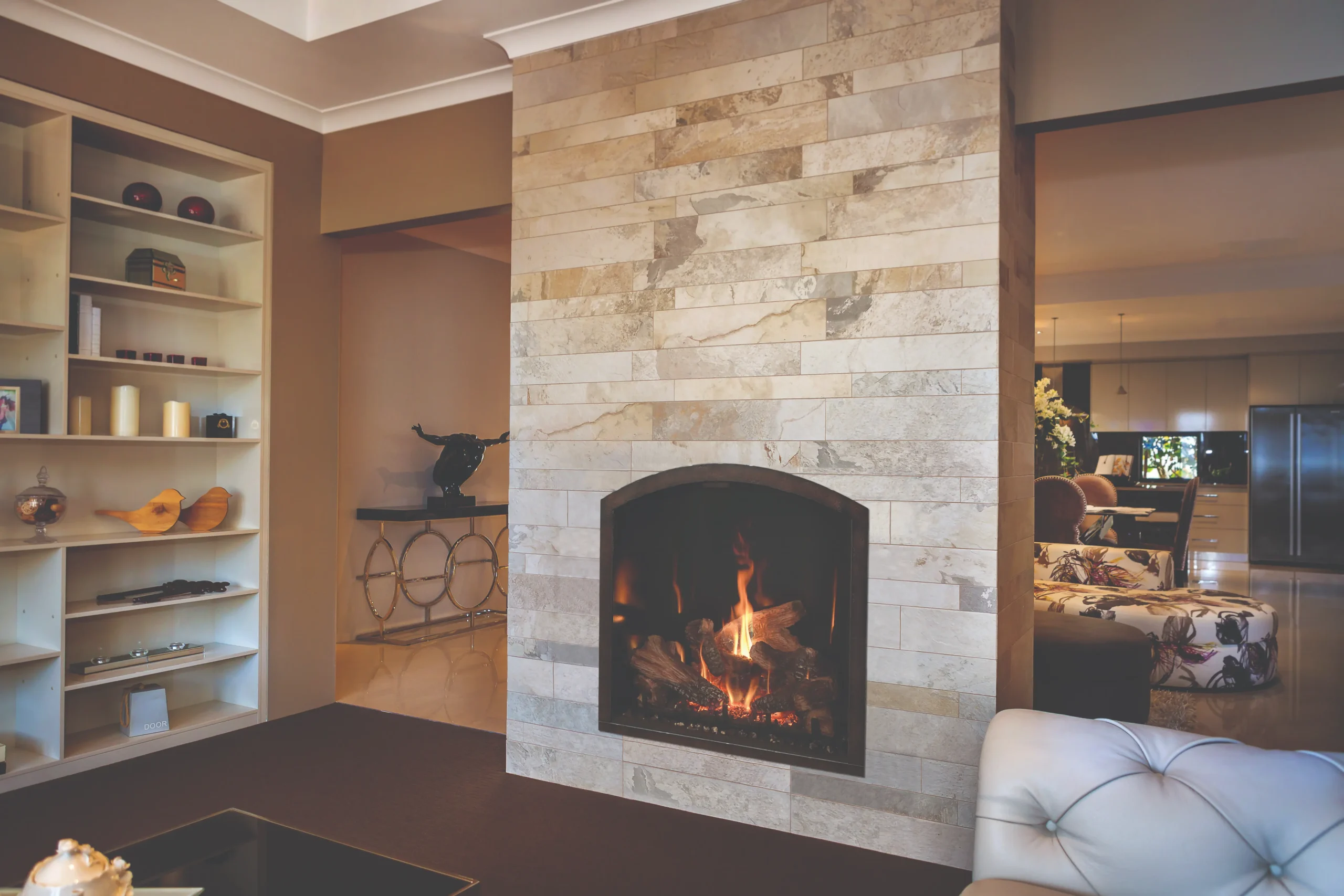
Gas fireplace inserts are specifically designed to transform an existing wood-burning masonry fireplace into a more efficient gas-powered heating system. The insert is installed directly inside the old fireplace opening and connected to a gas line.
What that does is allow homeowners to enjoy a cleaner and more convenient fire without the work involved in burning wood.
Once installed, the insert typically includes a sealed firebox, realistic ceramic logs, and a glass front that helps improve heat retention. A venting system, often routed through the existing chimney, safely directs exhaust gases outdoors.
By upgrading an older fireplace with a gas insert, homeowners can significantly improve heating efficiency while preserving the charm of their original fireplace structure and avoiding a costly renovation.
Have an existing wood-burning fireplace? Transform it into an efficient, hassle-free gas system with a fireplace insert. No major renovation required — ask us how.
Freestanding Gas Stoves
Freestanding gas stoves combine the traditional charm of a classic wood stove with the convenience of modern gas technology. Instead of being built into a wall, these units stand independently and can be placed in various locations throughout a home, provided proper venting and gas connections are available.
Many homeowners appreciate their compact footprint and strong heating performance, which allows them to warm individual rooms or smaller living areas effectively. The design often features cast iron or steel construction with large glass panels that showcase the flames.
Decorative elements, detailed finishes, and traditional styling give freestanding gas stoves a timeless look while delivering steady, easily controlled heat.
Gas Log Sets (Burner Only)
Gas log sets offer one of the simplest ways to convert a traditional wood burning fireplace into a gas-powered feature. Instead of installing a complete fireplace unit, a gas log set consists primarily of a burner assembly paired with decorative ceramic logs that mimic the look of burning wood.
These systems are placed inside an existing fireplace and connected to a gas supply. Once installed, the burner produces flames that move naturally around the artificial logs, creating the familiar appearance of a wood fire.
Although gas log sets generally provide less heat than fully enclosed fireplaces, they excel at creating ambiance and convenience. This way, homeowners can enjoy the look of an open-hearth fire without handling firewood or cleaning ash.
Design and Aesthetic Types
Gas fireplaces come in many design styles, which allows homeowners to choose a model that complements their interior décor. Some models replicate the timeless charm of traditional wood fires, while others feature sleek, contemporary lines or multi-sided viewing areas that create striking visual statements in modern homes.
Traditional: The Classic Wood-Look
Traditional gas fireplaces are designed to recreate the familiar appearance of a classic wood-burning hearth. These styles are typically square in nature with tall viewing windows. Ceramic logs are carefully arranged over the burner to resemble stacked firewood, while glowing ember beds help produce the warm, flickering effect people associate with real fires.
The flames rise naturally through the log set, creating a cozy atmosphere that feels both comforting and authentic.
Many traditional models are framed with mantels, brick surrounds, or stone finishes that reinforce the timeless aesthetic. The unit itself often comes with faux brick liner options to mimic firebrick. This style fits particularly well in living rooms, family rooms, and rustic-inspired interiors.
For homeowners who appreciate the look of a wood fire but prefer modern convenience, traditional gas fireplaces offer the perfect balance of charm and practicality.
Contemporary/Linear: Modern Sleek Designs
Contemporary gas fireplaces emphasize clean lines, minimal detailing, and wide viewing areas that highlight the movement of the flames. Linear fireplaces, one of the most popular modern styles, feature long horizontal fireboxes that stretch across walls, often becoming a dramatic centerpiece in open living spaces.
Instead of traditional stacked logs, these designs frequently use materials such as fire glass, ceramic or polished stones, small linear log sets, or reflective panels that enhance the visual effect of the flames. The result is a sleek and sophisticated appearance that blends seamlessly with modern architecture and minimalist interiors.
Contemporary fireplaces are often installed flush with the wall, creating a streamlined look that feels integrated into the surrounding design. Their refined appearance makes them especially popular in modern homes, apartments, and upscale renovation projects.
Multi-Sided: See-Through and Peninsula Models
Multi-sided gas fireplaces are designed to be viewed from more than one angle, allowing the flames to become a shared visual feature between different areas of a home. See-through fireplaces, sometimes called double-sided models, are commonly installed between two rooms so that both spaces can enjoy the same fire.
Peninsula and three-sided fireplaces extend this concept further by exposing the flames from multiple directions. These designs are often used to divide open floor plans while maintaining a sense of connection between spaces.
Because of their unique structure, multi-sided fireplaces serve both functional and decorative roles. They provide warmth while also acting as architectural features that add depth, movement, and visual interest to interior spaces.
See traditional, contemporary, and multi-sided gas fireplaces up close at our showrooms in Hailey and Twin Falls.
Open Mon–Fri, 9am–4pm · Heat & Glo, Mendota, Montigo, Enviro & more
Benefits of Gas Fireplaces
Gas fireplaces provide a combination of warmth, convenience, and visual appeal that many homeowners find appealing. They ignite quickly, require very little maintenance, and produce consistent heat without the mess of burning wood.
Along with their practical advantages, modern gas fireplaces also create a cozy atmosphere that enhances the comfort and style of living spaces.
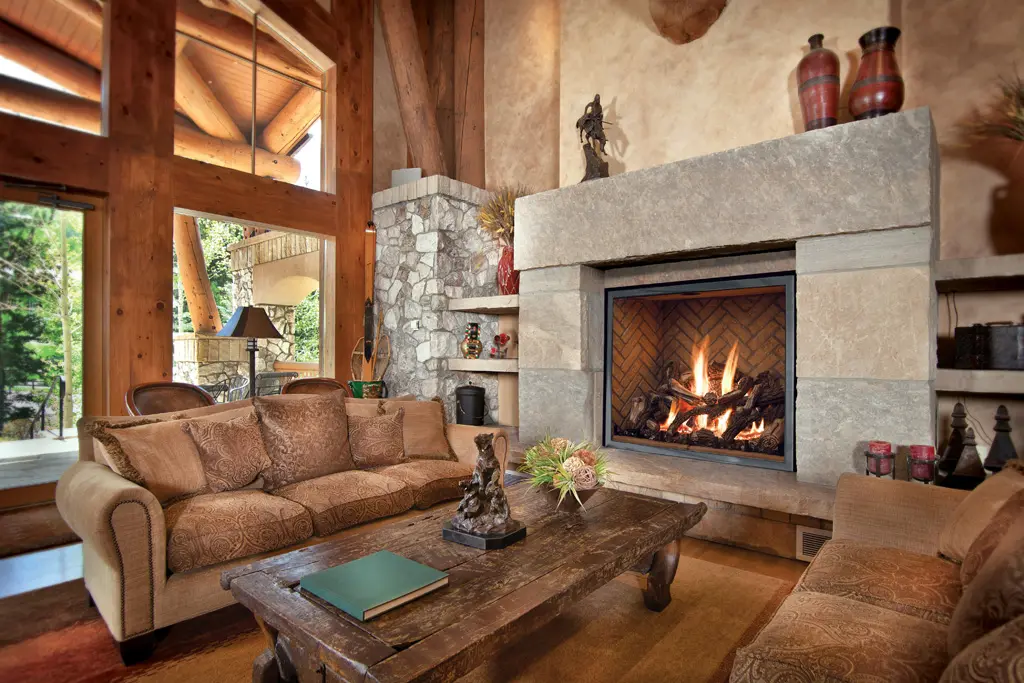
Gas Fireplace Efficiency and Zone Heating
Gas fireplaces are often valued for their ability to provide efficient zone heating. Instead of warming an entire home through a central heating system, a gas fireplace can heat the specific room where people spend the most time. This targeted approach allows homeowners to stay comfortable while reducing the need to run a furnace at full capacity throughout the house.
Because the heat is concentrated in one area, zone heating can help lower overall energy use during cooler months. Many modern gas fireplaces also include adjustable flame controls and thermostats, which allow users to maintain a comfortable temperature without overheating the space.
Gas Fireplace Efficiency vs. Furnace
Gas fireplaces and furnaces serve different roles within a home, and their efficiency can vary depending on how they are used. A furnace is designed to distribute heat evenly throughout the entire house through ductwork, making it ideal for whole-home heating.
However, this system often consumes more energy because it warms every room, even those that are rarely used.
In contrast, a gas fireplace can deliver concentrated warmth to a single living space. When homeowners rely on a fireplace to heat frequently used rooms, they may be able to lower the thermostat for the central heating system.
Gas Fireplace Energy Efficiency Ratings Explained
Energy efficiency ratings help homeowners understand how effectively a gas fireplace converts fuel into usable heat. One common measurement is the Annual Fuel Utilization Efficiency, often referred to as AFUE. This rating indicates the percentage of fuel that becomes heat for the home, while the remaining portion is lost through exhaust.
Another measure sometimes used for fireplaces is steady-state efficiency, which evaluates performance while the unit is operating under normal conditions. Direct vent fireplaces often achieve higher efficiency ratings because their sealed design reduces heat loss.
Gas Fireplace Installation: What to Expect
Installing a gas fireplace involves several steps, including selecting the right model, preparing the installation space, and connecting the unit to a gas supply and venting system. Professional installation is often recommended to ensure safety, proper performance, and compliance with local building codes and manufacturer guidelines.
How to Install a Gas Fireplace in a House Without One
Adding a gas fireplace to a home that does not already have one is entirely possible with the right planning and preparation. The process typically begins by selecting a suitable fireplace model and identifying a safe location that allows for proper gas connections and venting.
Many homeowners choose built-in or direct vent fireplaces because they can be installed through an exterior wall without requiring a traditional chimney.
Once the location is determined, licensed professionals usually install the gas line and frame the fireplace opening as needed. A licensed fireplace professional typically comes in to install the unit and install the associated venting system.
Electrical connections may also be required for ignition systems or blowers. After installation, the system is tested to confirm safe operation and proper flame performance.
Gas Fireplace Venting Requirements: Does It Need to Be Vented?
The majority of gas fireplaces need venting, though some ventless options exist. Direct vent and B-vent fireplaces must be connected to a venting system that safely carries combustion gases outdoors. These vents can run vertically through the roof or horizontally through an exterior wall, depending on the fireplace design.
Vent-free fireplaces, on the other hand, operate without traditional venting because they are designed to burn gas very efficiently. However, they still require proper room size, ventilation, and adherence to local building regulations.
Understanding these requirements is essential before installation, since building codes and safety guidelines may influence which type of fireplace can be used in a particular home.
Gas Fireplace Installation Near Me: What to Look For
When searching for a local gas fireplace installer, it is important to choose professionals who have proper licensing, certification, and experience with gas appliances. Qualified installers understand local building codes, safety standards, and manufacturer requirements, which helps ensure the fireplace operates safely and efficiently.
Homeowners often benefit from reviewing customer feedback, requesting references, and confirming that the company is insured. A reliable installer will also provide a detailed estimate that outlines installation costs, venting requirements, and any necessary modifications to the home.
Gas Fireplace Costs Breakdown
The total cost of a gas fireplace depends on several factors, including the type of unit, installation complexity, venting requirements, and long-term operating expenses such as fuel usage and maintenance.
Get a detailed cost estimate tailored to your home — no guesswork, no surprises. Serving Hailey · Twin Falls · Burley · Ketchum · Sun Valley
Purchase and Installation Costs
The price of a gas fireplace can vary widely depending on the style, size, and features of the unit. Basic gas log sets may cost a few hundred dollars, while high-end built-in fireplaces can cost several thousand. Installation expenses often include gas line connections, venting systems, framing work, and professional labor.
Ongoing Fuel and Maintenance Costs
Operating a gas fireplace typically involves moderate fuel costs, depending on how frequently the unit is used and whether it runs on natural gas or propane. Regular maintenance is also recommended, including annual inspections, burner cleaning, and safety checks to ensure the fireplace continues to operate efficiently and safely.
Gas Fireplace Maintenance and Longevity
Regular maintenance helps a gas fireplace operate safely, efficiently, and reliably over time. With proper care, many units can provide dependable performance and lasting visual appeal for years.
Routine Inspections and Cleaning
Routine inspections are essential for keeping a gas fireplace in good working condition. Burners, pilot assemblies, vents, and glass panels should be checked regularly for dust, debris, or wear. Professional annual servicing is also recommended to confirm safe gas flow, proper ignition, and clean combustion, as these help prevent performance issues over time.
Common Gas Fireplace Problems and Troubleshooting
Common gas fireplace problems include weak flames, pilot light issues, unusual odors, and difficulty with ignition. In some cases, the cause may be as simple as a dirty burner or a faulty thermocouple. When problems persist, a qualified technician should inspect the unit to diagnose the issue safely and restore proper operation.
Keep your gas fireplace running safely and efficiently. Book a professional annual inspection today.
Gas Fireplace Operating Options
Gas fireplaces can be operated in several convenient ways, allowing homeowners to control ignition and flame settings easily. Common options include wall switches, remote controls, and traditional match-light systems.
Wall Switches
Wall switches provide one of the simplest ways to operate a gas fireplace. Installed near the fireplace or alongside other light switches, they allow users to ignite or turn off the flames with a quick flip. This straightforward control method offers dependable operation without requiring batteries or additional handheld devices.
Note that these systems will always operate on a standing pilot (or a continuously running pilot light) to work.
Remotes
Remote controls add another layer of convenience by allowing homeowners to operate the fireplace from across the room. Many modern remotes offer features such as flame height adjustment, temperature control, light operation within the firebox, and timer settings. With a simple press of a button, users can quickly create a comfortable and inviting atmosphere.
Match Light
Match-light gas fireplaces use a more traditional ignition method and are typically associated with gas log sets (mentioned above). To start the fire, the user turns on the gas valve and lights the burner manually with a long match or lighter.
Although this approach lacks the convenience of electronic ignition systems, it remains a simple and reliable option in certain fireplace models.
Comparison and Regulations
Choosing a fireplace also involves comparing different options and understanding regulations that ensure safe installation, proper operation, and long-term reliability.
Comparing Gas vs. Electric Fireplaces
Gas and electric fireplaces both offer convenience, yet they serve different purposes. Gas fireplaces produce real flames and provide stronger heat output, which makes them useful for supplemental heating. Electric fireplaces, on the other hand, are easier to install and require no venting, though their heat output and flame realism are typically more limited.
Gas Fireplace Regulations and Compliance
Gas fireplace installation must follow local building codes and safety regulations. Requirements often include proper venting, approved gas connections, and adequate clearances from combustible materials.
Many areas also require professional installation and inspection to ensure the fireplace operates safely and meets energy and ventilation standards established by regional authorities.
Common Gas Fireplace Terminology
- BTU (British Thermal Unit): A unit used to measure the heat output of a gas fireplace. Higher BTU ratings generally indicate greater heating capacity.
- Pilot Light: A small flame that ignites the main burner in fireplaces. Pilot lights can be present in both electronic and standing pilot ignition systems.
- Burner: The component that releases gas and produces the flames inside the fireplace.
- Gas Valve: A control mechanism that regulates the flow of gas to the burner.
- Vent: A pipe or passage that carries combustion gases safely outside the home.
- Direct Vent: A sealed venting system that draws fresh air from outside and expels exhaust gases outdoors.
- B-Vent (Natural Vent): A venting system that uses rising hot air to carry exhaust gases upward through a vertical vent pipe.
- Vent-Free (Ventless): A type of gas fireplace designed to operate without a traditional venting system.
- Firebox: The enclosed chamber where the flames burn inside the fireplace.
- Thermocouple: A safety device that shuts off the gas supply if the pilot flame goes out.
- Oxygen Depletion Sensor (ODS): A safety feature in vent-free fireplaces that automatically shuts off the unit if oxygen levels in the room become too low.
- Ignition System: The mechanism responsible for lighting the gas burner, which may use a pilot light or an electronic spark.
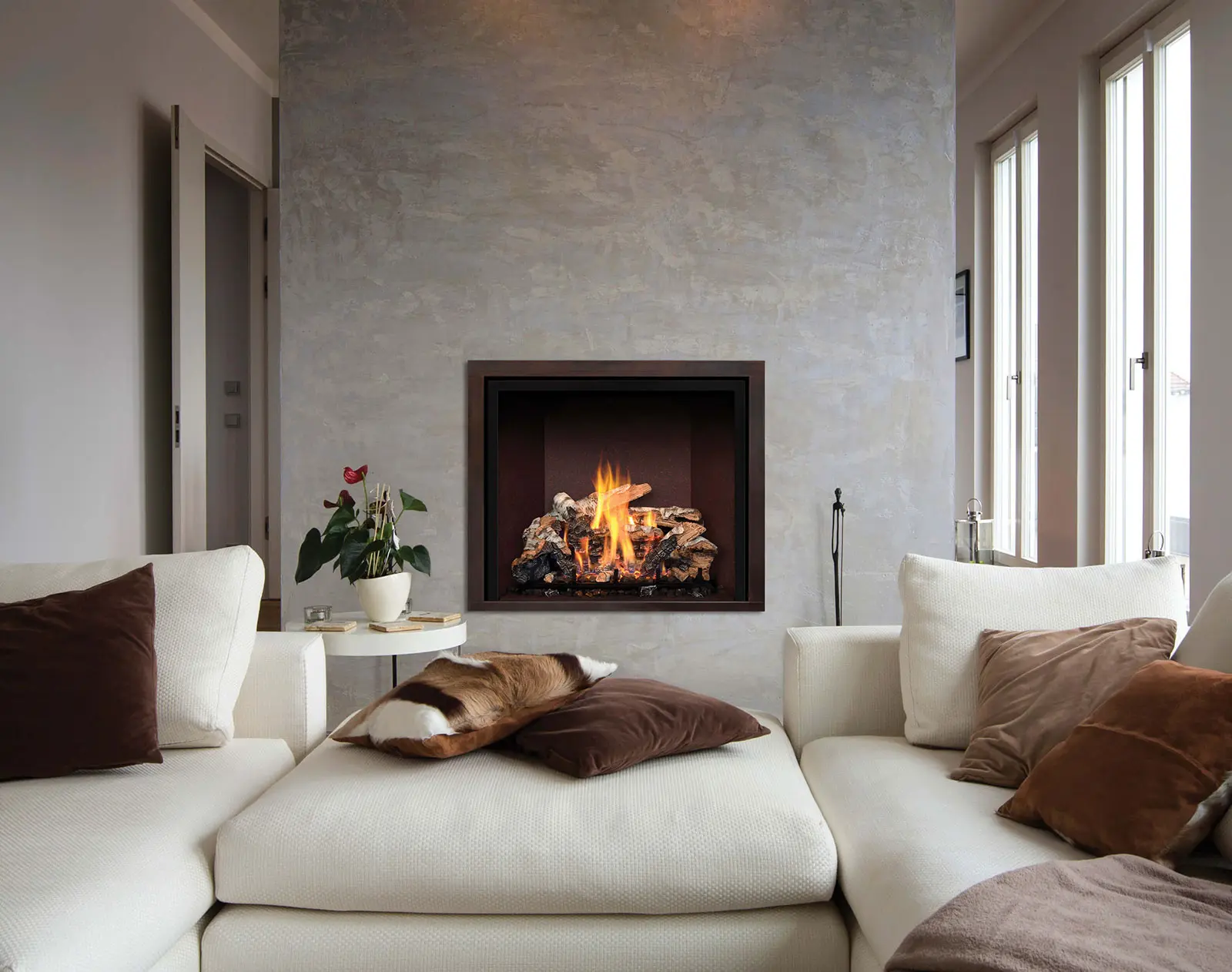
Final Thoughts: Is a Gas Fireplace Right for You?
A gas fireplace can be a wonderful addition to a home, offering warmth, convenience, and a welcoming atmosphere without the effort required by traditional wood fires. Modern models provide reliable heat, easy ignition, and a wide range of styles that suit both classic and contemporary interiors.
Whether installed as a primary feature in a living room or used as a supplemental heating source, a gas fireplace can enhance comfort during colder months. Still, the right choice depends on factors such as installation options, venting requirements, and local regulations.
By considering these elements carefully, homeowners can decide whether a gas fireplace fits their needs and lifestyle.
Frequently Asked Questions About Gas Fireplaces
How Does a Gas Fireplace Work?
A gas fireplace burns natural gas or propane through a burner to create controlled flames that produce heat and visual ambiance.
Are Gas Fireplaces Expensive to Run?
Gas fireplaces are generally inexpensive to run because natural gas is relatively affordable, and the heat can be used to warm specific rooms efficiently.
Can You Convert a Wood Fireplace to Gas?
Yes, many wood-burning fireplaces can be converted to gas using a gas insert or gas log set connected to a proper gas line.
How Long Do Gas Fireplaces Last?
Most gas fireplaces last between 15 and 25 years with proper installation, regular maintenance, and periodic servicing.
Ready to add a gas fireplace to your home? Talk to our experts and find the perfect fit for your space and budget.
Free consultations available at all Fireplace Outfitters locations.
Keep Reading
Related Post
Wood Fireplaces in Custom Homes: Design Trends and Planning Guide
Wood fireplaces continue to hold their place as a defining feature in custom homes, not just for warmth but for…
Ben Carney
Why Saunas Are Good for You: Complete Health Guide
Saunas have long been valued as a simple yet powerful way to relax, unwind, and encourage overall well-being. From traditional…
Ben Carney

What Is a Gas Fireplace Insert and How Does It Work
If you’ve ever wondered “what is a gas fireplace insert?,” it’s a sealed unit that turns an old fireplace into…
Ben Carney