The showroom in Hailey is open from 9am - 4pm Monday - Friday

What Is a Gas Fireplace Insert and How Does It Work


If you’ve ever wondered “what is a gas fireplace insert?,” it’s a sealed unit that turns an old fireplace into a cleaner, more efficient heat source. Think of it as a “Fireplace within a Fireplace” that makes your existing fireplace more efficient and easier to use, while keeping things cleaner and more comfortable.
If your old open hearth fireplace wastes too much heat and makes cleanup difficult, this guide helps you sort out the problem. First, it looks at how a gas insert fireplace works and which types fit different homes. Next, we cover benefits, likely costs, installation steps, and simple maintenance needs, so the choice feels clear. This makes it easier to plan a smart upgrade without wasting money or guessing what comes next.
Finally, you can enjoy a fireplace that feels warmer, cleaner, and much easier to use every day. This simple change replaces the stress of maintenance with the excitement of a cozy home.
Upgrade your home with a high-efficiency gas fireplace insert that delivers real, bone-warming heat.
Call (208) 578-2184 to get started today.
What Is a Gas Fireplace Insert
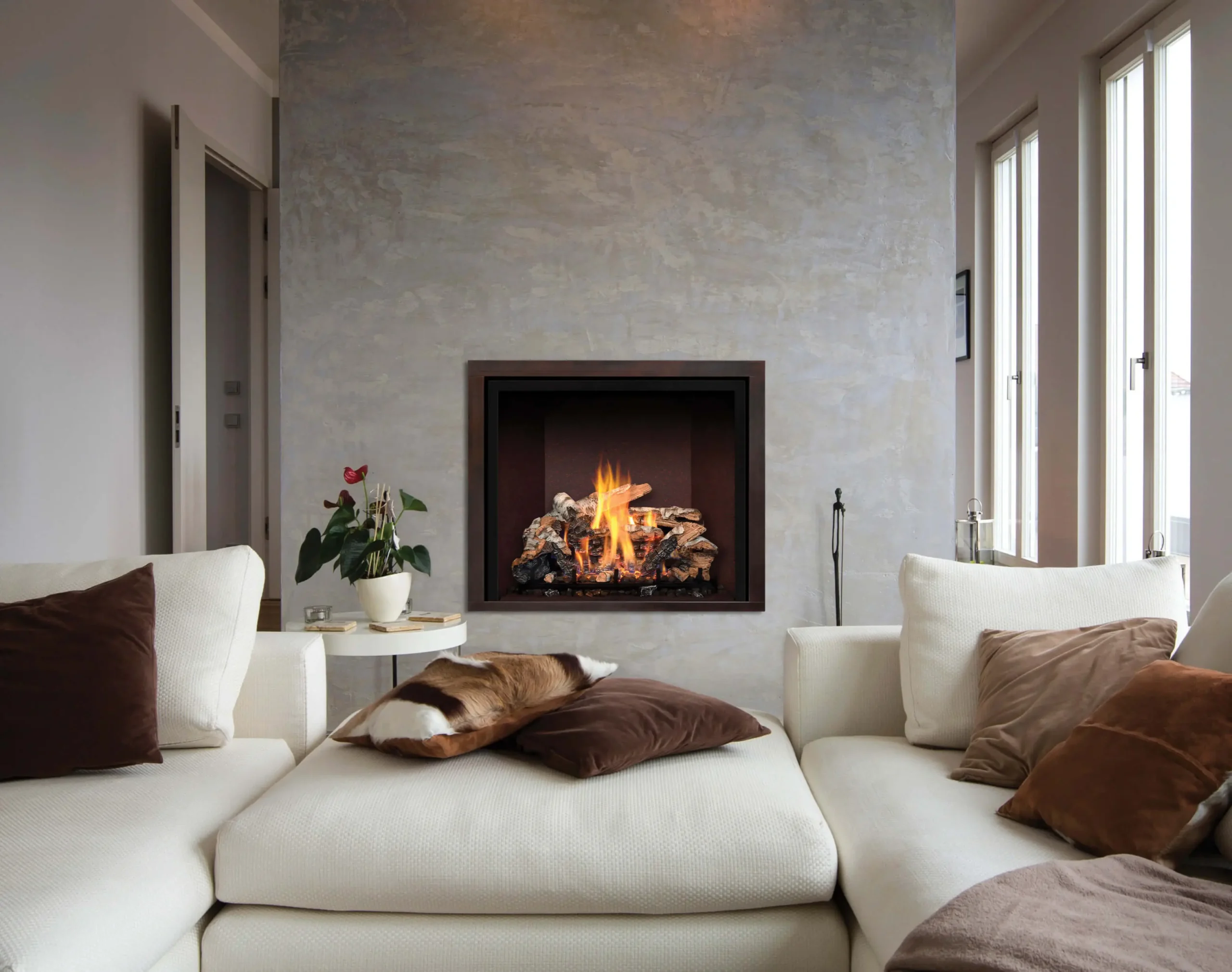
A gas fireplace insert is a sealed heating unit installed inside an existing wood burning fireplace opening to produce controlled heat with better efficiency. It helps you use an old fireplace more effectively while keeping a finished, built-in appearance that matches the room’s custom interior.
Unlike an open hearth, the insert uses a closed firebox, ceramic glass, and venting to manage combustion. It means heat is directed back into the room, and less heat escapes through the chimney, which improves thermal efficiency. In luxury homes, this ensures a comfortable room and a cleaner design.
Gas fireplace inserts have the following core elements:
- A sealed firebox for controlled combustion and better heat retention within the space.
- A glass front that protects the room and frames the flames.
- A venting system that brings fresh air in for combustion and safely carries exhaust outside.
These features make the insert more useful than a traditional open fireplace.
How a Gas Insert in Fireplace Works
A gas insert works by burning fuel inside a sealed firebox to produce controlled heat, while a vent safely carries exhaust outside. This design delivers steady warmth with minimal mess.
Why Gas Fireplace Inserts Are Popular
Gas fireplace inserts are popular because they can provide heat quickly, offer simple controls, and provide a cleaner experience than wood fires. They also look neat and modern, which increases the room’s appeal without causing any dirt or mess.
Why Convert Your Traditional Fireplace to an Efficient Gas Insert
Converting to a gas insert is the most practical way to modernize an outdated, ineffective hearth.
Here’s why homeowners prefer modern inserts:
- Boosts Efficiency: Directs heat into the room rather than letting it escape up the chimney.
- Minimal Cleanup: Eliminates the constant need to remove creosote or haul away messy ash.
- Precision Control: Allows you to adjust flame height and temperature with a simple remote.
- Safety First: Removes the risks of flying sparks and creosote buildup.
These upgrades ensure that the fireplace provides reliable warmth with better efficiency than the traditional model.
Ready to turn your old, inefficient hearth into a clean and powerful heat source? We make the conversion simple and stress-free.
No major renovation required — ask us how.
How Does a Gas Fireplace Work
A gas fireplace works by igniting fuel at a burner inside a sealed firebox, producing controlled heat while safely venting exhaust gases outside. This system delivers consistent warmth, cleaner indoor air, and easier operation compared to a traditional wood-burning fireplace.
Understanding this process helps you compare different models, venting options, and heating capabilities, making it easier to choose an insert that suits your space and comfort needs.
At a basic level, the system operates through three key functions:
- Ignition: Starts the gas flow safely using a pilot light or electronic system
- Burner: Produces flames and generates usable heat
- Venting: Removes exhaust gases from the home through a sealed pathway
Key Components of a Gas Fireplace Insert
A gas fireplace insert consists of several essential components that ensure safe and efficient performance:
- Burner: Creates the flame and heat output
- Ignition System: Lights the gas (standing pilot light or electronic ignition)
- Firebox: A sealed chamber that contains combustion
- Heat Exchanger: Transfers heat into the room efficiently
- Venting System: Safely directs exhaust gases outside
- Controls: Thermostat, remote, or wall switch for easy operation
Understanding these parts helps you evaluate performance, safety, and ease of use when selecting a unit.
Step-by-Step Working Process
The operation of a gas fireplace follows a simple and controlled sequence:
- Step 1: Ignition – Gas flow is initiated and ignited safely
- Step 2: Combustion – The burner produces steady flames inside the sealed firebox, combustion air is often pulled from outside through a venting pathway.
- Step 3: Heat Distribution – Warm air is radiated or circulated into the room
- Step 4: Venting – Exhaust gases are expelled outside through the venting system
Gas Fireplace Insert Benefits
Gas fireplace insert benefits include higher efficiency, easier operation, lower maintenance, and a more furnished appearance. If you want a fireplace that provides comfort every day, an insert delivers it in many practical ways.
Homeowners usually notice these benefits after upgrading:
- More Heat: Warmth does not leave the room.
- Easier Use: The system is simple to control and manage every day.
- Cleaner Look: The hearth looks appealing and more polished.
These practical improvements are the reason why switching to a great long-term investment is a good choice.
Energy Efficiency and Heat Output
Traditional fireplaces often lose most warmth through the chimney. Modern insert setups are a smart way to manage zone heating by focusing warmth on a specific room, like a basement. Sealed gas units keep the warmth inside where people can feel it.
Convenience and Ease of Use
A warm fire is easy to start because there is no heavy wood to haul. These units offer instant ignition through a remote or thermostat. You can easily control the room’s temperature by just clicking a button.
Low Maintenance
Gas inserts are a great choice because they don’t produce soot and smoke. A simple wipe of the glass is usually all it takes to make the fireplace look brand new. Maintenance becomes easier for you as there are no ashes and no logs to store.
Aesthetic Enhancement
New inserts provide realistic flames and modern designs that make a room look fresh and lively. Families can finally relax by looking at a beautiful fire that also feels good. A new design can help your room feel more modern and cozy, increasing the home’s value and appeal.
Are Gas Fireplace Inserts Efficient
Yes. Efficiency is a major reason why homeowners are choosing gas inserts over traditional fireplaces. They use sealed combustion and metal heat exchangers to push warmth into the living space instead of allowing it to escape. Thus, these units are perfect for zone heating, allowing heat to focus on specific rooms to save energy, while keeping everyone comfortable during cold winters.
When you judge a gas fireplace insert’s efficiency, focus on these points:
- Sealed glass reduces drafts that open fireplaces create.
- Heat exchangers help capture warmth that would otherwise escape.
- Zone heating supports better comfort in the rooms you use most.
These key details explain your question of “are gas fireplace inserts efficient?” and why inserts outperform many open fireplaces.
Want to know exactly how much you could save with a gas insert? Our specialists will run the numbers for your home.
Efficiency Ratings Explained
Efficiency ratings show how much fuel is efficiently converted into indoor heat instead of going out through the vent – usually in the form of a percentage. Higher-rated gas inserts usually beat old wood fireplaces because they hold the heat better and bring more warmth to the room. If heating choices feel confusing, this gives a simple way to compare options.
Cost Savings Over Time
A good gas fireplace insert provides better heat retention, wastes less energy, and gives a lower energy bill every month. It fixes the problem of warm indoor air escaping through an open fireplace. Once you get the right setup, cold winters get more cozy for you.
Gas Fireplace Insert vs Other Heating Options
Gas fireplace inserts provide real flame, meaningful supplemental heat, and a finished built-in look. If you want both performance and visual value from an existing fireplace, they are the best choice.
As a homeowner, if choosing is stressful, starting with simple comparison points, as it is much easier. First, check how much heat each option gives. Then look at how realistic the flames appear and how hard it is to install them in the home.
After assessing all these options, you can arrive at a clear decision. Some options look nice, but give weaker heat. Others provide better warmth, but need more planning. So analyze carefully to avoid mistakes and make the final setup easier to enjoy.
Gas Insert vs Electric Fireplace
A gas insert provides real flames and stronger heating capability, while an electric fireplace usually installs more easily. If you prefer an authentic fire appearance with useful warmth, a gas insert is usually the better choice for an existing fireplace.
Gas Insert vs Gas Logs
A gas insert is usually more efficient than gas logs because it uses a sealed system and provides better heat distribution. If you prefer comfort instead of appearance, the insert generally gives you more usable warmth and a better overall performance.
Cost to Install Gas Fireplace Insert
The cost to install gas fireplace insert depends on factors like unit, venting, utility access, fireplace condition, and finish details. If you want an exact budget, you should look at both appliance price and skilled installation because performance depends on both.
Some projects are simple retrofits, while others need new gas lines, electrical work, and chimney preparation. In premium homes, custom stone, tile, trim, and surround refinements can also impact the final cost. That is why early inspection is so important.
The total price of a project usually depends on these specific costs:
- The Unit: This includes the insert and its design features.
- Venting: Materials like chimney and flue liners are necessary.
- Labor: Skilled workers must handle gas, electricity, and finish work.
Following this breakdown helps you to create a realistic budget.
Get a detailed installation cost estimate tailored to your home and fireplace — no guesswork, no surprises.
Serving Hailey · Twin Falls · Burley · Ketchum · Sun Valley
Average Installation Cost
The total price for a gas insert depends on the unit itself, design accessories, and the labor required for a safe setup. Most homeowners spend money on the appliance, venting kits, and electrical connections to get everything running right. You should expect that a gas insert will cost between $5,000 to $15,000 depending on the factors listed below.
Factors Affecting Cost
The main factors affecting cost are venting requirements, gas line installation, electrical access, fireplace size, chimney condition and design accessories chosen (log choice, surrounds, or decorative fronts). Understanding these variables helps you to plan realistically, instead of assuming that every insert project is a simple task.
Long-Term Cost Considerations
Long-term costs depend on fuel use and the regular maintenance costs needed to keep the system safe. Planning for annual service visits and fuel prices helps homeowners budget correctly. This careful approach helps the fireplace to run effectively for many years.
How to Choose the Best Gas Fireplace Insert
The best gas fireplace insert matches your heating goals, fireplace size, venting conditions, and design priorities. If you choose an insert with those factors in mind, you are more likely to get a combination of strong, optimal performance and a finished result that you will enjoy.
While choosing a gas fireplace insert for your room, start with the room’s actual purpose. The main types of gas fireplace inserts fall into two categories — heating-focused and decorative. Some rooms need real heating support, while others need long burn times and a softer ambiance.
Not sure which gas insert is the right fit for your fireplace and room? Let our experts guide you to the perfect match.
Available in heating-focused and decorative styles to suit every space.
Heating Output vs Decorative Inserts
Heating inserts are built for stronger room warming and typically carry a high efficiency rating, while decorative inserts are more about ambiance across longer periods of time with lower output. Knowing which type fits your room helps you avoid buying a unit that overheats the space or fails to provide the warmth you expected.
Insert Size and Fireplace Compatibility
Finding the right size depends on the dimensions of your existing fireplace opening. A proper fit is necessary to ensure the installation is both safe and efficient. Since traditional fireplaces have limited space, measuring the cavity depth and width carefully prevents any gaps.
Design Features and Flame Presentation
Modern gas fireplace inserts offer far more customization than ever before, allowing homeowners to tailor the final look to match their style and the character of the room. Decorative surrounds and fronts come in a wide variety of finishes and designs, ranging from sleek contemporary lines to more traditional cast and detailed appearances. Log set options have also improved dramatically, with realistic ceramic logs, driftwood styles, split-log designs, and contemporary media choices that create a more authentic presentation.
Advancements in burner and flame technology have made today’s gas fireplaces look more natural than older models. Many premium inserts now feature multi-level burners, glowing ember beds, and highly detailed flame patterns that closely resemble a real wood-burning fire. These design features play a major role in the overall experience, helping the fireplace feel less like an appliance and more like a natural centerpiece within the home.
Budget and Feature Considerations
While choosing an insert, remember to balance the initial cost with the heating performance needed for a room. Many people look for features like remote controls, thermostats, and adjustable flame settings to make daily use more convenient, all which add cost to the project, but might add convenience over a longer period of time. Finding this balance ensures the fireplace is both affordable and easy for you to operate.
Installation Process of a Gas Fireplace Insert
The installation process involves the process of inspection, chimney preparation, utility work, venting, appliance placement, sealing, and final testing. If each step is handled properly, you’ll get a fireplace that looks finished, operates safely, and performs well in all seasons.
Installation is not just about fitting a unit into place. The fireplace and chimney should be swept and inspected before a liner is installed. Gas and electrical service may also need to be routed into the fireplace cavity if they don’t already exist. This typically means that a licensed plumber or electrician may need to be involved.
Professional crews follow this specific order to ensure a safe installation:
- Inspect the fireplace and chimney dimensions.
- Clean the chimney and install any needed utility connections like gas or electrical without compromising the existing fireplace’s integrity.
- Install and connect a co-linear venting system for both fresh air and exhaust gases.
- Install gas insert and make required venting and utility connections
- Trim out open space with surrounds
- Test the insert and complete the final setup.
Installation Steps
Setting up a gas insert involves several important steps to keep everything safe and warm. You must have a professional sweep the chimney before installing a new liner. A big part of the job is also running electrical and gas lines into the old fireplace opening.
Safety and Code Compliance
Safety and code compliance require correct venting, approved clearances, proper gas connections, and adherence to local building rules. These details matter because a fireplace should give comfort, not create hidden problems behind a beautiful finished surround.
Another consideration is whether the gas insert fireplace you are considering is approved for the type of wood burning fireplace in which you plan to install it. Some gas inserts are not designed or approved for manufactured zero clearance wood fireplaces and can only be installed into a custom or masonry unit. Checking these limitations and planning in advance can help avoid costly mistakes.
Gas Fireplace Insert Safety Tips
Safety starts with proper venting and regular checkups from a professional crew to ensure everything runs correctly. It is important to keep carbon monoxide detectors running and in the room where the unit is installed. These simple habits make the unit a reliable heat source for many winters.
Homeowners’ stress about fire safety is understandable when everyone just wants to stay warm during the long, cold months. It can be solved by following a clear list of chores before the first winter frost.
- Keep the venting path clear and have it inspected.
- Place working carbon monoxide detectors in the rooms.
- Move all flammable items far away from the glass.
Once these steps are finished, the whole family can finally relax by the flames. This smart approach keeps a home cozy without any extra worry or hard work.
Ventilation and Airflow Safety
Proper venting and clear airflow are the most important parts of a safe gas fireplace setup. If vents or louvers get blocked, the system can overheat or stop working correctly. It is important to keep the area around the unit completely clear.
Carbon Monoxide Prevention
Carbon monoxide prevention starts with correct installation, annual inspection, and working CO detectors. Because carbon monoxide cannot be seen or smelled, follow these steps strictly if you want an early warning and a safe long-term fireplace operation.
Safe Usage Practices
To ensure proper and safe usage of the fireplace, don’t leave it unsupervised for long periods of time. Most fire accidents happen when they are left unattended. Also, it is important not to keep any flammable items nearby, as they can catch fire and make things worse.
Gas Fireplace Insert Maintenance
A gas fireplace insert can be maintained properly for a long time, with steps like light routine cleaning, annual inspection, and professional repair when needed. If you follow these steps consistently, the insert will work efficiently without needing to spend more.
A simple maintenance routine should include these tasks:
- Clean visible surfaces and glass exactly as recommended.
- Schedule professional service once each year before winter to clean and test components.
- Watch for unusual flame, odor, or blower changes.
This routine is easy to manage and protects the insert’s long-term performance.
Keep your gas insert running safely and efficiently all winter long. Book a professional annual inspection today.
Schedule a Service
Regular Cleaning
The insert can be kept clean by routinely wiping the exterior, cleaning the glass correctly, and removing dust from accessible areas. These steps help maintain a clear flame view, support airflow, and keep the fireplace looking polished between professional service visits.
Annual Inspection
During an annual inspection, the professional checks gas lines, burners, ignition, venting, and overall appliance condition, and fix them if needed. Catching tiny issues early prevents them from turning into big, expensive repairs when the weather gets cold.
When to Call a Professional
When you notice gas odors, ignition trouble, weak heat, unusual noises, or odd flame patterns, you should call for a professional immediately. Quick intervention and service matter because fixing minor glitches now prevents them from turning into dangerous or expensive breakdowns later.
Where Gas Fireplace Inserts Work Best
Choosing the right spot for an insert makes a huge difference in how a home feels during winter. These units are best used in areas where people spend lots of time, like a living room or a finished basement.
If you are planning to fit a new insert into your home, focus on ideal placement to improve efficiency and comfort. Instead of wasting energy on empty hallways, the heat stays in the room with the family. This smart move helps your house stay cozy in a low energy bill.
Some of the following room features help homeowners to get the most out of a gas fireplace:
- Active Areas: Pick rooms where family and guests hang out often.
- Cool Spots: Focus on cold corners that need zone heating.
- Clear Views: Make sure the hearth is visible from the main seating.
These simple choices make the upgrade worth it.
Best Rooms for Installation
If you are planning to fit a gas fireplace insert in a room, the best options are living rooms, family rooms, great rooms, and other high-use spaces. These rooms benefit most because the fireplace can provide comfort, create ambiance, and become part of everyday life instead of remaining unused.
Small vs Large Homes
Gas inserts can work well in both small and large homes, though their efficiency and role change with the room’s layout and size. In smaller homes, one unit may be enough to support a room, while in larger homes it usually works best as a targeted zone-heating feature.
Expert Tips to Maximize Efficiency
You can maximize efficiency by keeping the heat steadier, airflow stronger, and fuel use lower in the colder months. These small adjustments will yield an improvement in their overall performance.
Use this simple plan before winter begins:
- Keep a steady thermostat setting instead of constantly changing it.
- Turn on the blower fan when you want wider heat circulation.
- Schedule a preseason check before winter begins each year.
After you follow these steps, daily use feels easier, warmer, and you’ll notice a more effective result.
Thermostat Optimization
Maintaining a consistent temperature is much better than constantly turning the heat up and down. When you maintain a steady temperature, the room gets cozy without wasting fuel. This is an easy way for you to save energy.
Use of Blowers
Using fan blowers is a smart way to improve heat circulation throughout a large room. The fan pushes warm air away from the glass so the heat reaches your favorite chair. This simple tool helps you to keep the whole room warm and comfortable.
Seasonal Usage Tips
To stay prepared for winter, you should check the fireplace early to make sure everything works correctly. It is also important to reduce its usage during mild weather to save on fuel. These simple habits keep your unit ready for the coldest days.
Common Mistakes to Avoid
Homeowners often make mistakes, like choosing the wrong insert type, ignoring venting needs, and skipping maintenance. If you avoid those three errors, you can greatly improve the chances that your fireplace will perform safely, efficiently, and beautifully for years.
Here are some common mistakes that people make with a gas fireplace insert:
- Buying for appearance before realizing what their main goal is.
- Assuming any insert will vent easily through the existing chimney.
- Assuming any insert can be installed in any fireplace.
- Ignoring annual service until performance already starts declining.
Avoid these mistakes from the beginning, and make better decisions to keep them running well for many years.
Choosing the Wrong Type of Insert (Heating vs Decorative)
To get the best result, matching the unit to the room is very important. Selecting high-heat inserts when only ambiance is needed can make a space too hot. Likewise, choosing decorative units when heating performance is required will leave the room cool during the winter. Before choosing the type, identify what you want the fireplace to do, and choose the right type accordingly.
Ignoring Venting Requirements
Ignoring venting requirements can lead to installation problems, delays, and expensive changes because not every insert fits every chimney. Check the vent thoroughly early on to protect your project budget and product choice before the work becomes too complicated for the crew.
Ignoring Approved Appliance Requirements.
Inserts are designed for the type of appliance (zero-clearance or masonry) they are intended for. Ignoring manufacturer specifications can lead to unsafe operating temperatures or installation methods that may ultimately compromise your house or prevent approved and required permitting.
Skipping Maintenance
Skipping maintenance is a huge blunder because it reduces the fireplace insert’s lifespan and efficiency, as burners, controls, and venting still need proper maintenance. If you postpone the service each year, you’ll end up in a situation where the problems cannot be solved easily at a low cost.
Are Gas Fireplace Inserts Right for Your Home
Not all homes can easily fit a gas fireplace insert without an existing fireplace and the right venting options. Each home needs a specific type of unit to provide cleaner heat while making sure the setup stays safe and efficient for the family. If you want a fireplace that is easier to use and maintain, a gas insert in a fireplace is often the right answer.
Check these points to see if a gas insert works for your home:
- A compatible fireplace opening already exists.
- The room needs extra zone heating.
- Gas or propane lines are easy to access.
This quick review helps you to decide which model matches your needs.
Homes Best Suited for Gas Inserts
Homes with existing fireplaces are perfect for gas inserts if they need more warmth in busy rooms. This upgrade turns an old and cool hearth into a useful heat source. It is a great way to add supplemental heating to the specific areas where your family spends the most time.
Limitations to Consider
Sometimes a project is not the right fit due to local rules or utility issues. Some houses have no gas line availability or face strict local regulations that stop the project. It is important to check these rules before you spend any money.
Frequently Asked Questions About Gas Fireplace Inserts
Can you install a gas fireplace insert in any fireplace
You cannot install an insert in just any fireplace without checking a few things first. A professional must look at the size, the chimney condition, and local safety codes. If the opening fits and the venting works, they can be updated to run safely and cleanly.
How long do gas fireplace inserts last
Gas fireplace inserts usually last 10 to 20 years with proper maintenance, and premium models may perform well even longer. Their lifespan depends on build quality, installation quality, usage patterns, and how consistently you service the unit each year.
Do gas fireplace inserts need electricity
Some gas fireplace inserts need electricity for ignition systems, blowers, remotes, or controls, while others can still operate without household power. It depends entirely on the model, so you should verify the outage behavior before you buy.
Are gas fireplace inserts safe
Yes. Gas fireplace inserts are safe when they are installed correctly, vented properly, and maintained regularly. Their sealed design, controlled combustion, and glass front usually make them safer and cleaner than an open wood-burning fireplace.
How often should a gas fireplace insert be serviced
A gas fireplace insert needs a professional service check once a year before the cold weather hits. This annual visit makes sure the vents are clear and the gas lines are safe. It is the best way to ensure the fireplace insert works well when winter finally arrives.
Can a gas fireplace insert heat an entire home
No. A gas fireplace insert is best for zone heating, where it warms one room or one connected living area very effectively. It can support whole-home comfort, but it is not usually meant to replace a central heating system completely.
Ready to upgrade your fireplace with a gas insert that delivers real warmth, cleaner operation, and lasting value?
Free consultations available at all Fireplace Outfitters locations.
Schedule Today
Keep Reading
Related Post
Wood Fireplaces in Custom Homes: Design Trends and Planning Guide
Wood fireplaces continue to hold their place as a defining feature in custom homes, not just for warmth but for…
Ben Carney

Why Saunas Are Good for You: Complete Health Guide
Saunas have long been valued as a simple yet powerful way to relax, unwind, and encourage overall well-being. From traditional…
Ben Carney
What Is a Gas Fireplace Insert and How Does It Work
If you’ve ever wondered “what is a gas fireplace insert?,” it’s a sealed unit that turns an old fireplace into…
Ben Carney