The showroom in Hailey is open from 9am - 4pm Monday - Friday

Gas Heating Stoves: Types, Prices & Buying Guide

Table of Content
Explore Gas Heating Stoves
Top Gas Stove Brands We Offer
Subscribe to Our Newsletter
Gas heating stoves offer a distinctive blend of comfort, efficiency, and visual appeal that continues to attract homeowners, designers, and builders alike. Unlike larger built-in systems, gas heating stoves bring a more flexible and furniture-like presence into a space, which makes them especially suitable for mountain homes, guest suites, and thoughtfully designed living areas.
They provide steady, radiant heat while also creating a welcoming focal point that enhances the overall atmosphere of a room.
Choosing the right stove, however, involves more than selecting a design that looks appealing at first glance. Factors such as venting requirements, room size, and specific installation conditions all play an important role in how well the gas stove performs over time. Having an idea of these elements early helps avoid costly adjustments and ensures the final setup meets both comfort and safety expectations.
This guide takes a detailed look at how gas heating stoves work, the different types available, and the key considerations that help you make a confident, well-informed decision.

Understanding Gas Heating Stoves
Gas heating stoves provide radiant comfort with a more furniture-like presence than many built-in fireplaces. They are best for mountain retreats, guest houses, and carefully designed additions, where ambiance matters as much as output.
They also come in different sizes, finishes, and venting styles. This gives designers more freedom with the look, and it helps builders choose a model that performs well in winter.
Add warmth and style to your home with a premium gas heating stove built for comfort and efficiency.
Call (208) 578-2184 to get started today.
How Gas Heating Stoves Work
A gas heating stove burns natural gas or propane inside a sealed chamber. The heat then moves through the stove’s body and glass to warm the room in a steady way.
Here is a simple way to understand the process:
- Gas flows into the stove and lights the burner.
- The flame creates heat inside the sealed firebox.
- The stove body and front glass release that heat into the room.
- Exhaust gases move out through the vent system.
In many models, fresh air for combustion comes from outside.
Key Components of a Gas Heating Stove
Knowing the main parts of a gas heating stove makes it easier for you to compare models and understand their performance.
The most important components include the following:
- Burner: Controls the flame shape, heat output, and fuel use.
- Sealed glass front: Keeps combustion contained while showing the fire clearly.
- Valve system: Manages ignition, flame control, and safety shutoff.
- Firebox and vent collar: Hold the heat and direct exhaust safely outside.
- Logs, media, and controls: Shape the look of the fire and daily operation.
Some premium models also include remotes, fans, and battery backup features.
Types of Gas Heating Stoves
There are three main types of gas heating stoves, and each one works best in different situations. Understanding these options makes it easier to match the stove to the home, the layout, and the heating goals.
- Direct-vent stoves: These are the most common choice for modern homes. They pull in outside air for combustion and send exhaust outside, which supports strong efficiency and safer indoor air quality.
- Vent-free stoves: These can produce strong heat, but they are only allowed in some areas. Local codes, air quality concerns, and design preferences should be reviewed carefully before choosing one.
- Natural vent stoves (B-Vent): These often create a softer, more traditional flame appearance. However, they usually do not heat as efficiently as direct-vent models.
Not sure which venting type suits your home layout? Our specialists will help you pick the right gas stove for your space.
Direct-vent, vent-free & B-vent models available — RAIS, Jøtul, Pacific Energy, Enviro & more.
Gas Heating Stove Installation Styles
The installation style affects how the stove looks, how it vents, and how much construction work the project needs. Some homes are better suited for a vent through the roof. Others work better with a vent through an outside wall. The right setup can improve performance, reduce visible piping, and make the stove fit the room more naturally.
A thoughtful installer will study framing, rooflines, chase opportunities, and restrictions such as adjacent windows or walls, before finalizing details. This process protects the appearance of a premium residence while reducing costly revisions later.
Top Vented Stoves
Top-vented stoves exhaust upward first, making them useful for layouts with clear vertical pathways. While the vent starts vertical, it often can terminate horizontally through an exterior wall. They often suit rooms set away from an exterior wall. They also work below roof structures that allow efficient routing. Designers also like them when a vertical run supports a balanced, traditional silhouette.
This style can work beautifully in great rooms, lodges, and remodeled living areas with exposed structure. However, the vent path may require more materials, labor, and coordination with framing or finish trades. Understanding top-vented units helps you to weigh visual benefits against installation complexity and overall project cost.
Top-vented stoves typically retain more heat from the stove within the space it is placed, as radiant heat is produced from both the stove body and the venting.
Rear Vented Stoves
Rear vented stoves discharge through the back, often simplifying installation on an outside wall. That can reduce visible pipe inside the room and support cleaner lines in more compact spaces. For homeowners who value subtle integration, rear venting often feels especially tailored and discreet.
This approach is popular in bedrooms, studies, smaller sitting rooms, and some guest suites. It can also reduce construction disruption during selective remodels, which matters in fully furnished luxury homes.
Rear-vented stoves typically retain less heat than top-vented stoves, as minimal radiant heat is retained from the venting itself.
Benefits of Gas Heating Stoves
Gas heating stoves offer more than providing warmth. They add comfort, visual appeal, and practical heating support in spaces where both function and design matter. In Sun Valley homes, this balance is especially valuable, as owners often want reliable heat without giving up style.
These stoves work well in living rooms, guest rooms, and quiet private spaces. They heat the areas used most often and make the room feel warmer and more inviting. Some models can also keep working during power outages, which gives homeowners added peace of mind.
Gas heating stoves are an important asset for houses as they provide the following benefits:
- Focused heat: They warm the rooms used most often without heating the entire house.
- Visible flame: They create a cozy fire view with less mess than wood-burning options.
- Cleaner upkeep: There is no ash, wood storage, or frequent cleanup to manage.
- Design flexibility: They suit rustic, transitional, and modern interiors with ease.
- Added comfort: They can make lounges, suites, and sitting areas feel more welcoming.
Useful backup: Some models can still provide heat during certain power interruptions.
Energy Efficiency and Zone Heating
Efficiency often depends on the model, the venting system, and the quality of the installation. Direct-vent stoves are often a strong choice because they heat well and support safer indoor air conditions.
Zone heating adds another practical benefit for daily comfort. It means heating the rooms that are used most often instead of warming the whole house all day. This works well for living rooms, guest spaces, and second homes that do not need full-time heating in every area.
Heat only the rooms you use most — and cut your utility bills while doing it. Talk to our team about zone heating with a gas stove.
Gas Heating Stove Prices Explained
Gas heating stove prices vary because the total investment includes more than the unit itself. The final amount usually depends on the stove model, venting plan, finish options, fuel access, and installation difficulty.
Get a detailed cost estimate tailored to your home — stove, installation, and gas work included. No guesswork, no surprises. Serving Hailey · Twin Falls · Burley · Ketchum · Sun Valley
Average Gas Heating Stove Unit Cost
Basic models often start in the lower price range before labor, venting, and gas work are added. Midrange units usually cost more because they often include better materials, stronger controls, and a more polished flame display. Premium models can rise much higher, especially with larger fireboxes, designer finishes, or cast construction.
Custom planning can also affect value, especially when the project is tailored to the home and design goals. Fireplace Outfitters also emphasizes personalized consultation and one-of-a-kind project planning, which reflects the added value of more customized installations.
Installation Costs
Installation costs depend on how much work the home needs before the stove can run safely. A simple replacement near an existing gas line and vent usually costs less than a brand-new installation.
Installing a new gas heating stove will involve the following costs:
- Creating a safe vent path for the stove
- Extending or installing a gas line
- Adjusting hearth features around the stove to follow manufacturer’s requirements
- Getting permits and meeting code requirements
- Protecting nearby finishes during the work
In mountain homes, rooflines, snow exposure, and exterior vent placement can also affect the final price. Local experience can also make the process smoother through better planning, site visits, and careful coordination during the job.
Operating and Fuel Costs
Operating costs depend on the fuel type, local rates, stove efficiency, and how often the unit runs. Natural gas often costs less to use than propane, but that can change by season and location. A stove used for short evening comfort will cost less than one heating a large room every day. The most accurate estimate comes from expected room use, not rough guesses.
Maintenance Costs
Maintenance costs are usually manageable when service is done regularly. Most appointments include cleaning, inspection, burner checks, vent review, and small adjustments. Regular care helps the stove work better and can prevent bigger repair costs later.
Gas Heating Stove Buying Guide
A good buying decision starts with the room, the home, and the owner’s main needs. It should not begin with looks alone, even though style still matters. The best results come from asking the right questions about size, fuel type, venting, and daily use.
A clear gas heating stove buying guide should help connect those details in a practical way. It should allow homeowners, designers, and builders to match the stove to comfort, design, and installation needs.
How to Choose a Gas Heating Stove
Many people first notice the look of a stove, but appearance should not be the only reason for choosing one. When you are thinking about how to choose a gas heating stove, it is important to look at room size, home insulation, fuel source, and the venting plan. When those details are checked early, the final choice usually works better in daily life.
It’s also important to decide how the stove will be used. One home may need steady heat in a main living room, while another may need extra warmth in a guest space or mountain retreat. A careful choice should match the home’s design and heating needs, while also leaving room for future service and maintenance.
Here are some important things to keep in mind when you choose a gas heating stove:
- Room size and heat output
- Fuel type and venting needs
- Style, finish, and overall fit
- Control features and ease of use
- Service access and warranty support
Choosing the Right Size (BTU Guide)
The right stove size makes a big difference in how the room feels. If the stove is too small, the space may stay colder than expected. If the stove is too large, the room can heat up too quickly and feel uncomfortable. That is why the stove should be chosen based on the actual space, not by simply guessing.
Factors like ceiling height, window size, insulation, and winter weather all affect how much heat a room needs. Small rooms usually need less heat than large living areas or open floor plans. A properly sized stove keeps the room comfortable and supports better efficiency.
Choosing the right BTU rating for your room makes all the difference. Let our experts size the perfect gas stove for your space.
Free in-home consultation — no obligation.
Venting Requirements to Consider
Venting is a major part of choosing a gas heating stove. It affects safety, heating performance, and where the stove can be placed in the home. The venting plan also depends on the room layout, nearby walls, rooflines, and framing.
Some stoves vent through the wall, while others vent through the roof. Each option has different space and clearance needs. It is also important to check local code requirements before installation begins.
Safety Features to Look For
Some safety features are part of the stove itself, while others help make the area around it safer. These features are especially important in homes with children, guests, or shared living spaces. Before choosing a stove, it is worth knowing which safety features can help it operate more safely.
Important safety features that you should look for are:
- Sealed combustion system: Keeps the burn process separate from indoor air.
- Automatic shutoff: Turns the stove off if the flame or ignition system has a problem.
- Cool-touch barrier: Helps reduce accidental contact with hot glass.
- Safety screen: Adds another layer of protection at the front of the stove.
- Stable base and clearances: Helps keep the unit secure and properly spaced from nearby materials.
- Reliable venting system: Moves exhaust outside and supports safe operation.
- Easy control lock: Helps prevent accidental changes to the settings.
- Carbon monoxide detectors nearby: Adds extra protection in the home
Style, Design & Finish Options
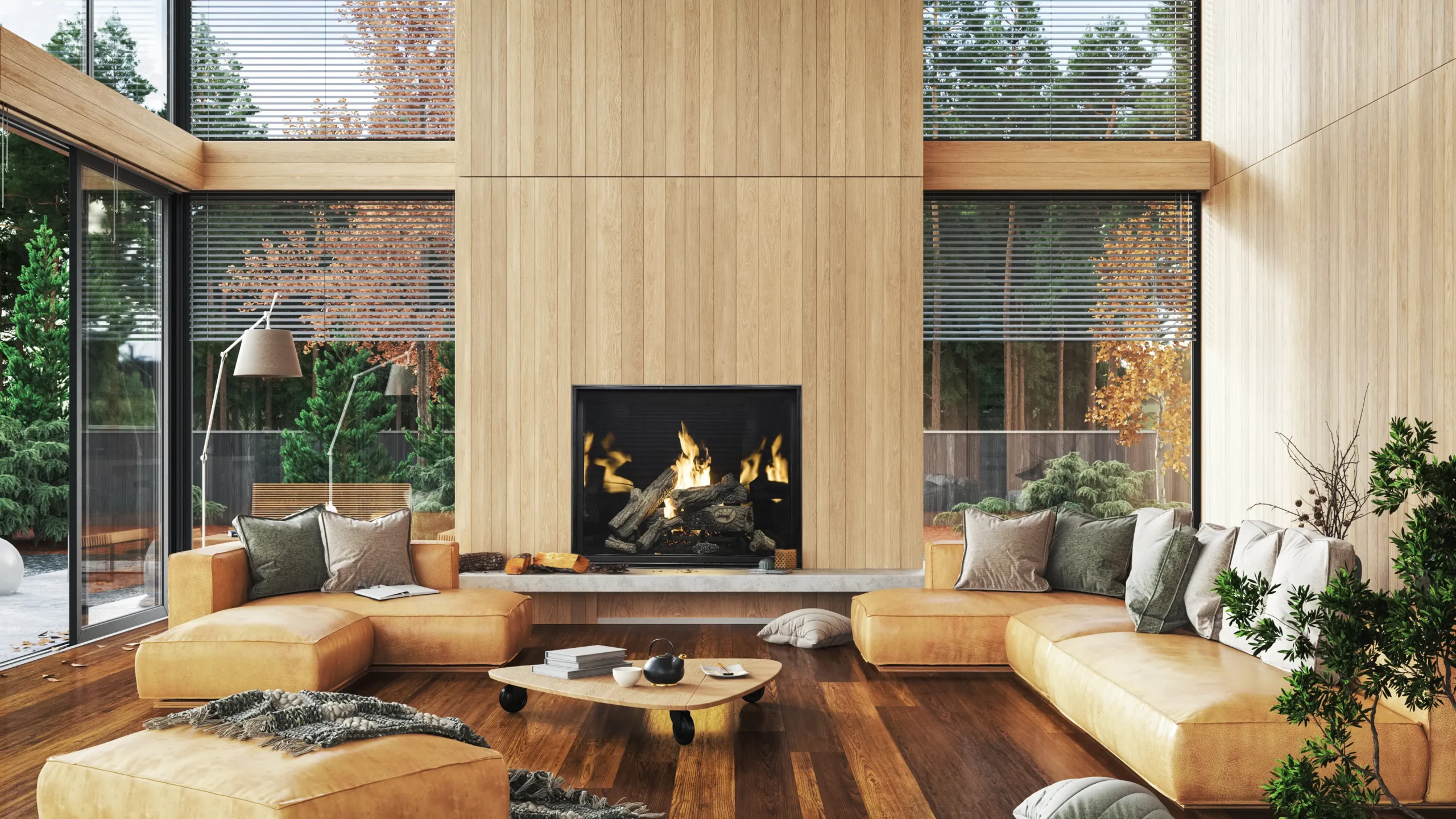
Style is also an important factor, because a gas heating stove becomes part of the room’s overall look. Some models have a classic cast-iron feel, while others look cleaner and more modern. Details like leg styles, enamel colors, trim, and fire media shape the final appearance. In many homes, the stove becomes a focal point, so it should suit the space naturally.
Finding the Best Look for Your Gas Heating Stove
When you start looking for the best gas heating stoves, you’ll quickly realize that the technology under the hood is only half the story. The other half is all about the vibe it brings to your room. It isn’t just about picking a heater; it’s about deciding whether you want your stove to be a cozy, nostalgic throwback or a bold, minimalist statement piece.
The Traditional Look
Traditional designs are for those who love the classic, rustic aesthetic of a wood-burning fire but want the flip-of-a-switch convenience of gas. These stoves are almost always made of heavy cast iron or steel, designed to mimic the rugged look of an old-fashioned wood stove.
You’ll see a lot of intricate details in traditional stoves, like arched doors, textured finishes, and legs that feel solid and grounded. The goal of a traditional stove is to feel permanent and sturdy. They fit perfectly in farmhouses, craftsman-style homes, or any living room where you want to lean into that “cabin in the woods” feel.
The Modern Edge
If your home is more about clean lines and open spaces, you’ll likely lean toward modern designs. These stoves move away from the boxy, heavy look of the past. Instead, you’ll see smooth, rounded edges and pedestal bases that make the stove look like it’s slightly elevated off the floor.
Modern stoves often prioritize the view of the fire above everything else. They usually feature massive, unobstructed glass windows and a more minimalist flame, sometimes using glass beads or stones instead of fake logs. These are great for urban lofts or contemporary homes where you want the warmth without the “pioneer” aesthetic.
The Showstoppers: Suspended Stoves
Beyond standard floor-mounted options, suspended gas stoves represent a highly specialized and architectural branch of modern design. These are basically functional art pieces that hang directly from the ceiling. Because they don’t have a base, they open up your floor plan and elevate your home’s appeal. Some models can even rotate, letting you point the heat and the view toward the kitchen while you’re cooking, or toward the sofa when you’re ready to relax.
See traditional, modern, and suspended gas stoves up close at our showrooms in Hailey and Twin Falls.
Open Mon–Fri, 9am–4pm · RAIS, HearthStone, Lopi, Jøtul, Marquis & more
Gas Heating Stove Installation Process
The installation process starts before the stove is brought into the room. First, the installer checks the space, the fuel source, and the venting path. They also look at clearances, local code rules, and the room layout. This helps avoid problems later and gives you a better idea of how the project will move forward.
After planning, the work usually moves into scheduling, installation, testing, and final checks. The stove is connected, vented, and tested to make sure it runs safely and correctly. The installer will also explain the basic operation and leave the space clean when the job is done.
Can You Install a Gas Heating Stove in a House Without One?
Yes. In many cases, a gas heating stove can be added to a house that does not already have one. The main things to check are fuel access, venting options, clearances, and whether the room can handle the stove’s heat output. This is often done during remodels, additions, or room updates.
A new installation usually takes more planning than replacing an old unit, but it is still possible in many homes. If you want added warmth and a fire feature without building a full fireplace, this can be a practical option.
Do Gas Heating Stoves Need Electricity?
Some gas heating stoves need electricity for blowers, lights, remotes, or electronic ignition. Others can still work during a power outage, depending on the model. This matters if your area gets winter outages.
Before choosing a stove, make sure that you understand which features will keep working when the power goes out. It’s a small detail that makes a massive difference during situations, like a winter blackout.
Gas Heating Stove Safety Considerations
Safety should be a crucial part of your plan from the beginning; it should not be something to be added later. A gas heating stove should look good, heat well, and operate safely in daily use.
A safe setup depends on proper venting, correct clearances, and careful installation from the start. Even a well-made stove can become unsafe if those details are missed. To protect your home, local code rules must be followed closely, and the stove should be kept in good condition over time.
Carbon Monoxide and Ventilation Safety
Carbon monoxide is dangerous because it cannot be seen or smelled. That is why proper venting matters so much. Direct-vent stoves reduce this risk by keeping combustion separate from indoor air.
For better safety, follow these tips strictly:
- Install carbon monoxide detectors in the home
- Keep vent openings clear of snow and debris
- Schedule annual inspections for the stove and vent system
Comparing Gas Heating Stoves vs Other Heating Options
When you’re choosing a heating option, try to compare how each one works in your daily life. Some systems are better for whole-house heating, while others are better for comfort in one main area. A good choice should match the space, the heating needs, and the way the room is used every day.
Gas Stove vs Electric Heater
A gas stove and an electric heater can both warm a room, but they do it in different ways. A gas stove usually gives stronger heat and adds a real flame, which makes the room feel warmer and more inviting. It also looks more like a permanent part of the home.
An electric heater is simpler and often costs less at the start. Many models can be plugged in easily and moved from room to room. However, they usually feel more temporary and do not offer the same look or presence as a gas stove.
Gas Stove vs Furnace
A gas stove is best for heating one main area where people spend the most time. It adds focused warmth and also gives the room a more comfortable and welcoming feel. This makes it a good choice for living rooms, sitting areas, and similar spaces.
A furnace is different because it is made to heat the whole house. It works well for steady background heating, but it does not add the same visual appeal or room-centered comfort. That is why many homes use both, with the furnace for general heating and the gas stove for added warmth in key spaces.
Maintenance and Longevity of Gas Heating Stoves
A gas heating stove can last many years when it is installed correctly and cared for on a regular basis. Its lifespan depends on build quality, how often it is used, and how well it is maintained. Good care helps the stove stay safe, heat well, and keep its appearance over time.
Several factors affect how long a stove lasts:
- Build quality
- Frequency of use
- Fuel cleanliness
- Regular maintenance
- Proper installation
Routine Cleaning and Annual Inspections
Routine care helps a gas heating stove stay safe, clean, and reliable through the heating season. It is also important to have the stove inspected once a year by a professional, because some parts need trained attention.
Here’s what happens during a routine cleaning session:
- Wiping the exterior to keep the finish clean
- Watching for unusual soot on the glass
- Keeping the vent area clear of dust and debris
- Cleaning the burner and firebox
- Checking the glass and gasket seal
- Testing the controls and ignition
- Inspecting the vent system for blockage or wear
Regular service helps the stove to work better and reduces the chance of larger problems in the future.
Common Gas Heating Stove Problems
Some gas heating stove problems are easy to notice during normal use. These signs may seem small at first, but they should not be ignored. Early service can prevent more expensive repairs and keep the stove running properly.
These are some common problems:
- Weak ignition or delayed startup
- Unusual odors during operation
- Dirty or cloudy glass
- Uneven flames
- Blower noise or poor airflow
- Dust buildup in burners or pilot areas
- Worn gaskets that affect sealing
- Remote or ignition control problems
Pay attention to these issues and fix them to protect performance, safety, and long-term reliability.
Noticing weak ignition, cloudy glass, or uneven flames? Our certified technicians will inspect and service your gas stove fast.
Final Thoughts: Choosing the Right Gas Heating Stove
When you are choosing a gas heating stove, looks should not be the only thing to consider. The right choice also depends on fuel type, venting, size, safety, and how the stove will be used each day.
Stove type, price, installation, efficiency, and maintenance all matter when you’re making the final decision. When these details are considered carefully, the stove can add steady heat, style, and long-term value to the home.
If you are comparing options now, take time to think about each factor carefully. Then choose the stove that fits perfectly with your home.
Frequently Asked Questions About Gas Heating Stoves
Are Gas Heating Stoves Expensive to Run?
Gas heating stoves are usually not too expensive to run when they are sized well and used properly. What you pay depends on fuel prices, stove efficiency, heat settings, and how often the stove runs. In many cases, natural gas costs less than propane, though local rates can differ.
How Long Do Gas Heating Stoves Last?
A gas heating stove can last many years if it is installed properly and cared for regularly. Routine cleaning, yearly inspections, and quick repairs all help it to last longer.
Can a Gas Heating Stove Heat an Entire House?
Sometimes it can, but it depends on the size of the house, the layout, insulation, and the stove’s heat output. In many homes, a gas heating stove works better as extra heat for one main area rather than the whole house. It can still improve comfort and make that space feel much warmer.
Ready to find the perfect gas heating stove for your home? Talk to our experts and get matched to the right model, size, and style.
Free consultations available at all Fireplace Outfitters locations.
Keep Reading
Related Post
Wood Fireplaces in Custom Homes: Design Trends and Planning Guide
Wood fireplaces continue to hold their place as a defining feature in custom homes, not just for warmth but for…
Ben Carney
Why Saunas Are Good for You: Complete Health Guide
Saunas have long been valued as a simple yet powerful way to relax, unwind, and encourage overall well-being. From traditional…
Ben Carney

What Is a Gas Fireplace Insert and How Does It Work
If you’ve ever wondered “what is a gas fireplace insert?,” it’s a sealed unit that turns an old fireplace into…
Ben Carney