The showroom in Hailey is open from 9am - 4pm Monday - Friday

Wood Fireplaces in Custom Homes: Design Trends and Planning Guide

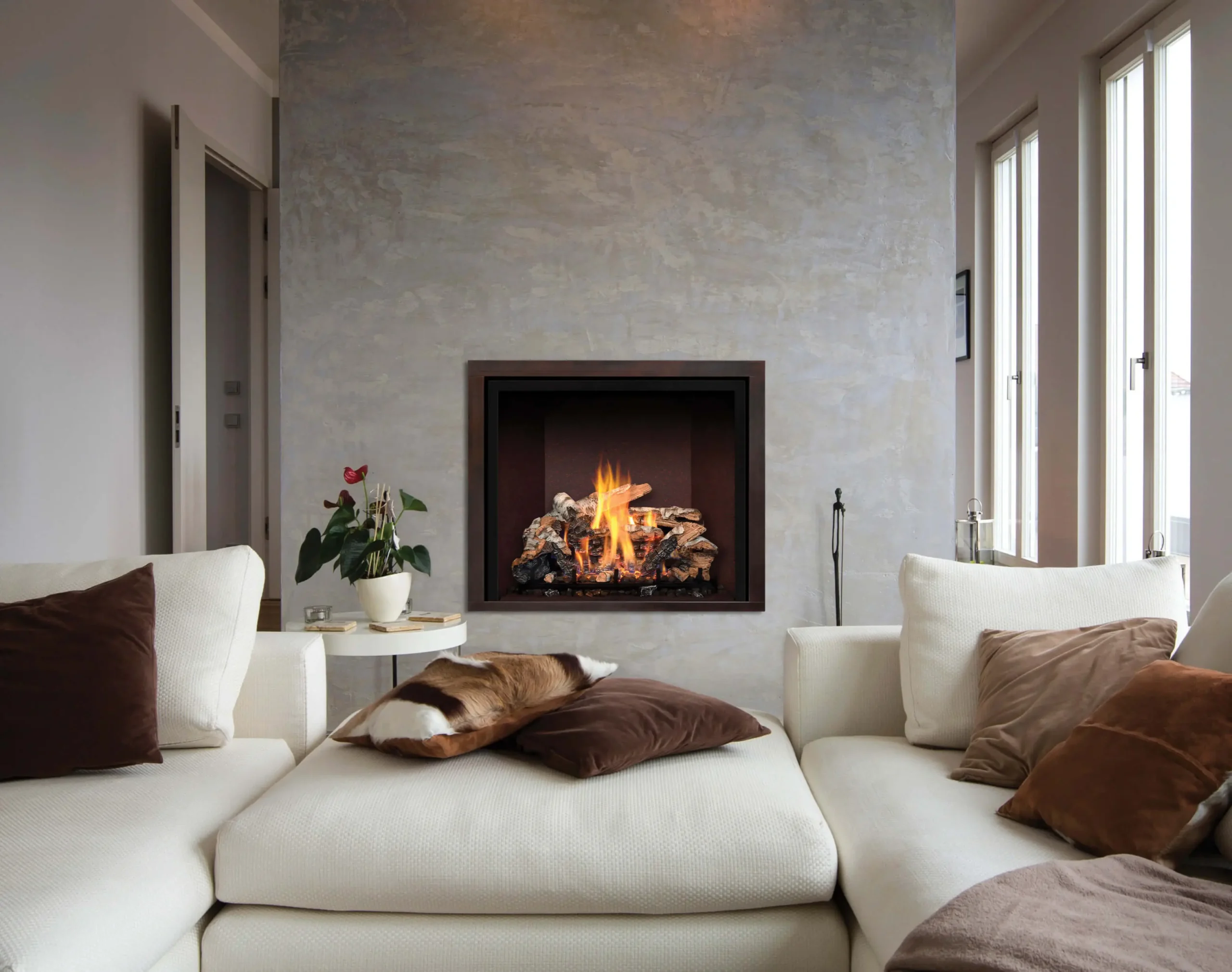
Table of Content
Explore Custom Wood Fireplaces
Top Wood Fireplace Brands We Offer
Subscribe to Our Newsletter
Wood fireplaces continue to hold their place as a defining feature in custom homes, not just for warmth but for the atmosphere they create. The natural crackle of burning wood and the soft glow of flames bring a sense of comfort that few other design elements can match. In many homes, the fireplace becomes the visual anchor of the living space, drawing people in and setting the tone for the entire room.
Today, wood burning fireplaces are often chosen less for primary heating and more for their visual impact. Homeowners use wood fireplaces in custom homes to create a mood, whether it is cozy and traditional or sleek and contemporary. Design trends reflect this shift, with everything from bold, floor-to-ceiling statement walls to clean, minimalist surrounds that let the fire take center stage.
Planning plays a crucial role in getting the most out of a wood fireplace. Thoughtful placement, the right material choices, and guidance from a reputable wood fireplace showroom can make all the difference.
Planning a custom home with a wood fireplace? Visit our showroom and explore hundreds of designs in person.
Call (208) 578-2184 to get started today.
Current Wood Fireplace Design Trends for Custom Homes
Wood fireplaces continue to evolve with changing design preferences in custom homes. Today’s trends focus on combining visual impact with functionality, offering styles that suit both modern and traditional living spaces.
Seen a design style you love? Let our fireplace specialists help you bring it to life in your custom home build.
Floor-to-ceiling, minimalist, double-sided, rustic & indoor-outdoor styles available.
Floor-to-Ceiling Statement Fireplace Walls
Floor-to-ceiling fireplace walls have become a go-to choice in many custom homes, and it is easy to see why. Instead of blending in, the fireplace takes center stage and naturally draws your attention. Using materials like stone or tile adds texture, while the added height makes the room feel more open. Many homeowners also add shelving or lighting around it to make the space feel complete.
Minimalist and Linear Wood Fireplace Designs
Minimalist and linear wood fireplaces are all about keeping things simple without feeling plain. You will often see a long, narrow opening that creates a calm, stretched-out flame instead of something bulky. Finishes tend to stay neutral, like smooth plaster or soft-toned stone, so nothing distracts from the fire itself. The whole idea is to let the fireplace quietly stand out while fitting naturally into the space.
Double-Sided and See-Through Wood Fireplaces
Double-sided custom home wood fireplaces are ideal for open-concept homes. They allow two spaces to share the warmth and visual appeal of a single fire. Often placed between living and dining areas, they act as subtle dividers without blocking flow. This design enhances connectivity while still defining each space, making it both practical and visually appealing.
Rustic and Reclaimed Wood Fireplace Surround Styles
Rustic fireplace surrounds have a way of making a space feel instantly warm and lived in. Materials like reclaimed wood, rough stone, and exposed beams add a kind of character you just cannot fake. To reduce combustible clearances, modern manufacturing offers many non-combustible products that match the look of combustible materials, allowing design flexibility. Even in a more modern home, a rustic fireplace can soften the space and make it feel more relaxed and welcoming.
Outdoor and Indoor-Outdoor Wood Fireplace Designs
Outdoor and indoor-outdoor fireplaces are growing in popularity as homeowners expand their living spaces. These designs often connect interior rooms with patios or outdoor seating areas. A shared fireplace creates a seamless transition between spaces while adding warmth and ambiance. This approach supports a lifestyle focused on comfort, entertaining, and enjoying both indoor and outdoor environments.
Wood Fireplace Design Ideas by Room Type
Choosing the right wood fireplace really comes down to how you use the room and what you want it to feel like. It is not just about looks; it needs to work with your layout and everyday routine. When it fits naturally into the space, both visually and functionally, the whole room just feels more comfortable and put together.
Wood Fireplace Ideas for Living Rooms
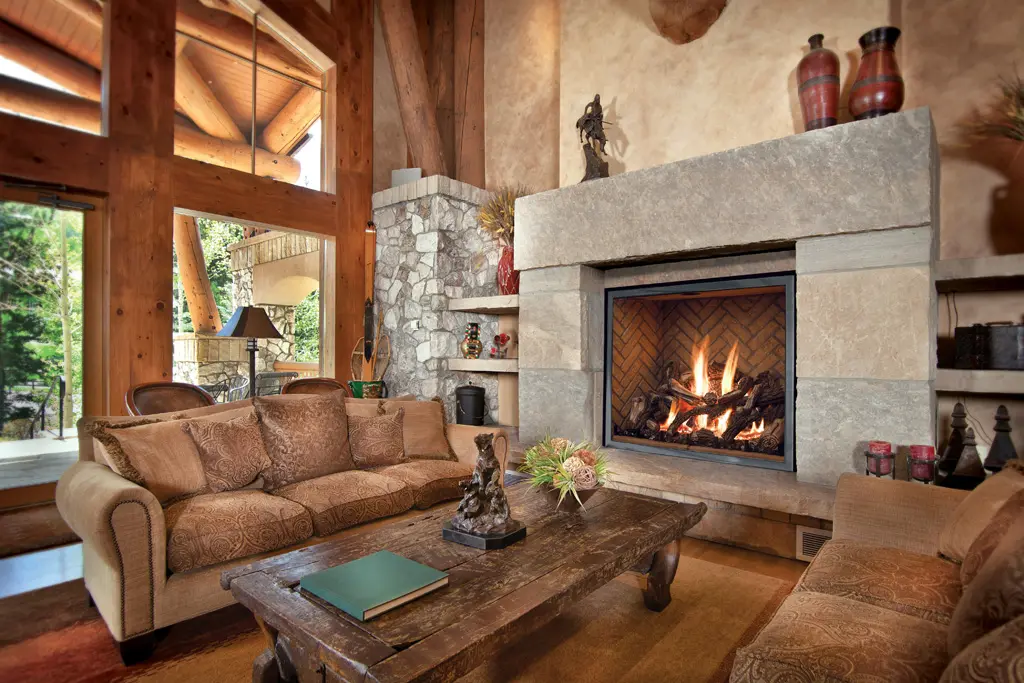
In living rooms, the fireplace is where everyone gathers, so it should feel welcoming without trying too hard. When it comes to wood fireplace design ideas, people go for a stone or tiled feature wall with a solid mantel, while others prefer something cleaner and more modern. The key is making it feel natural in the space. Arrange seating so it faces the fire, not away from it. Adding shelves or cabinets nearby can help with storage, and a bit of lighting brings out the textures and warmth.
Wood Fireplace Ideas for Master Bedrooms
A wood fireplace in the master bedroom just hits differently. It adds a quiet kind of comfort that makes the space feel more personal and relaxed. Building codes, design, and placement matters and bedrooms are sleeping units and typically subject to different building code restraints, so your fireplace may require outside combustion air and other installation requirements to factor into your design. Softer finishes like plaster or light stone help keep the mood calm. Most people lean toward a smaller design here, something that fits the room instead of taking over. A simple mantel or niche is usually enough. The idea is to create a space that feels peaceful, where the fire adds warmth without asking for attention.
Not sure which fireplace suits your room layout? Our experts will match the right design to every space in your home.
Wood Fireplace Ideas for Open-Plan Kitchen and Dining Spaces
In open-plan kitchens and dining areas, a wood fireplace can quietly bring everything together without getting in the way. A double-sided or pier design works really well here, since both spaces get to enjoy it. Placing it somewhere central helps break up the space without closing it off. The finishes should tie in with your cabinets and overall style, so nothing feels out of place. In busier areas like this, it is also important to think about airflow and safety so everything works comfortably day to day.
Wood Fireplace Ideas for Basement and Recreation Rooms
For basement and recreation rooms, wood fireplace ideas offer the opportunity to create a more relaxed and informal fireplace design. A wood fireplace can transform these spaces into cozy retreats for entertainment or family time. Heavier materials like brick or stone are often used to add warmth and character, especially in larger, open layouts. Seating arrangements can be more flexible, including sectional sofas or lounge chairs that encourage gathering. Incorporating storage for firewood adds both practicality and visual interest. Since basements may have limited natural light and typically sit in a negative draft zone, thoughtful lighting around the fireplace and intentional planning for outside air for combustion helps create a welcoming and comfortable environment.
Custom Built Wood Fireplaces: What Sets Them Apart
Custom built wood fireplaces offer a level of personalization that standard models simply cannot match. They are designed to fit the home’s layout, style, and lifestyle needs perfectly.
Ready to design a wood fireplace built specifically for your home? Our custom fireplace experts are here to help from day one.
Coordinating with your builder so nothing is left to guesswork.
Custom Firebrick and Interior Design Options
One of the features that truly sets a custom built wood fireplace apart is the ability to personalize the firebrick and interior design. Instead of a standard flat interior, custom fireplaces can incorporate unique brick patterns, herringbone layouts, contrasting mortar colors, or specialty refractory materials that create a completely different look and feel. These details may seem subtle at first, but they add depth, craftsmanship, and character every time the fire is burning. Whether the goal is a more traditional appearance or a clean modern design, custom firebrick work gives the fireplace a finished look that feels intentional and unique to the home.
Custom Firebox Sizing and Configuration
With a custom fireplace, you get real control over the firebox size and its shape. That makes it easier to match the fireplace to the room instead of forcing it to fit. A larger firebox can give you a bold, eye-catching flame, while a smaller one feels right at home in a more intimate space. You can also choose the shape, whether you like something linear, square, or more traditional. It is not just about how it looks, though. The right size helps with airflow and heat, so the fireplace actually performs well every day.
Integration with Custom Home Architecture
A custom wood fireplace should feel like it belongs to the house from the start, not something added in later. When it is planned properly, it lines up with the architecture around it, whether that means following ceiling lines or sitting naturally within a feature wall. It can also tie in with elements like beams or columns, so everything feels connected. This usually takes close coordination between the designer and builder. When they get it right, the space flows better, and nothing feels out of place. The fireplace ends up feeling like a natural part of the home.
Where to Place a Wood Fireplace in a Custom Home
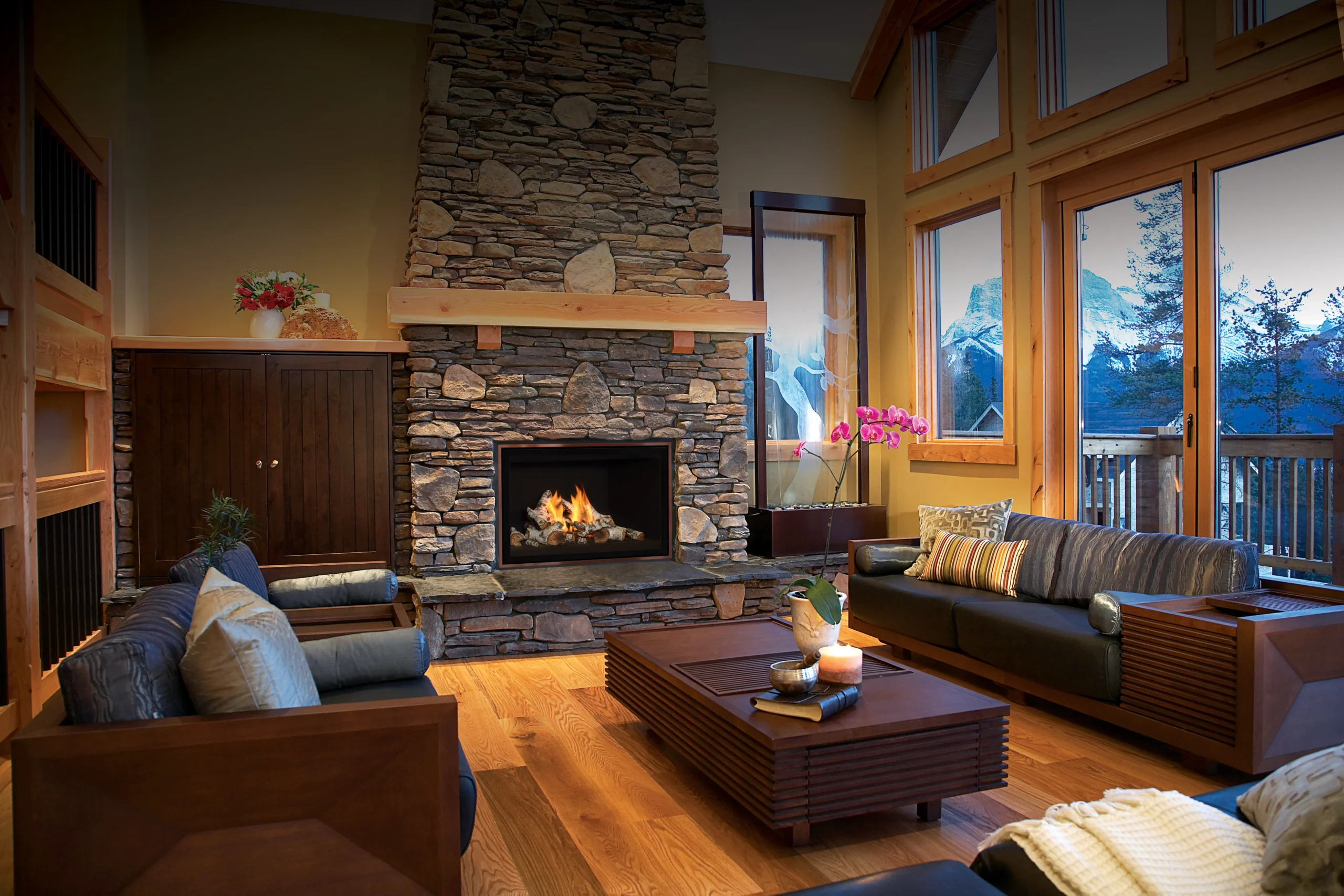
When thinking about where to place a wood fireplace, it is not just about fitting it into a wall. It shapes how the space feels, functions, and connects with the rest of the home.
Exterior Wall vs. Interior Wall Placement
Deciding between an exterior or interior wall really changes how your fireplace looks and how it performs. An exterior wall is usually simpler when it comes to venting and chimney work, so it can make the building process easier. The tradeoff is that you might sacrifice some of your windowed area for a fireplace. With an interior wall, more of that warmth stays inside and spreads through the home. It also tends to feel more central to everyday living. The tradeoff with an interior wall is that you must dedicate a free, clear pathway through upper floors to support your chimney termination at the roof line. From a design point of view, interior placement often stands out more, while exterior walls are better suited for fireplaces that play a quieter, supporting role.
Fireplace Placement for Optimal Heat Distribution
If you actually care about how the heat spreads, placement matters more than you might think. A fireplace in a central location can warm more than just one room, even if it is not your main heat source. Putting it near open areas or connecting spaces helps the warmth move around more naturally. Things like ceiling height, layout, and airflow all affect how that heat travels. Sometimes even a small shift in position can make the space feel noticeably more comfortable. It also helps to think about how often you will use it, since that can change whether you focus more on looks or performance.
Fireplace Placement and Traffic Flow Considerations
A fireplace should never get in the way of how people move through a space. It needs to feel like it belongs there, not like something you have to walk around. Putting it right along a main path or too close to a doorway can make things feel cramped and awkward. It works better when it sits in a spot where people can gather without blocking movement. It also helps to think about how furniture will be arranged around it. The aim is to keep the space comfortable and easy to move through. When it is planned well, everything just flows more naturally.
Multi-Story Placement and Chimney Stack Planning
In a multi-story home, placing a fireplace takes a little more thought, but it is worth it. The chimney has to run straight through the house, so lining things up vertically just makes life easier and often saves money, too. It also opens the door to having fireplaces on different levels, like one in the living room and another upstairs that utilize the same venting pathway. You do need to think about structure, insulation, and clearances along the way. When it all comes together properly, everything works better. More than that, the fireplace feels like it truly belongs, not something that was squeezed in later.
Wood Fireplace Planning Guide for Custom Home Builds
Planning a wood fireplace early makes everything easier later. This wood fireplace planning guide will help you avoid design compromises, keep things safe, and ensure the fireplace feels like a natural part of your home.
Structural Requirements for Wood Fireplace Installation
A wood fireplace is heavier than it looks, especially if you are using stone or brick. That means the structure beneath it needs to be strong enough to support the load without issues over time. In some cases, floor framing has to be reinforced to handle the extra weight. You also need to think about clearances, making sure nearby walls and materials are protected from heat and combustible materials are placed outside non-combustible zones. Planning the chimney path early helps avoid costly adjustments later. When everything is considered from the start, the fireplace fits in smoothly instead of feeling like an add-on.
Chimney Design and Flue Sizing for Custom Homes
The chimney does a lot more than carry smoke out of the house. Its design directly affects how well your fireplace works and drafts naturally. If the flue is too small or not tall enough, you might end up with poor airflow or smoke drifting back inside. Getting the size and height right helps create a steady draft, which keeps the fire burning cleanly. The choice of materials also matters, whether you go with a masonry chimney or a metal liner. When done properly, you will notice the difference every time you light a fire.
Building Code and Permit Requirements
There is no way around it, building codes are a big part of installing a wood fireplace. These rules are there to make sure everything is safe, from how far the fireplace sits from walls to how the chimney is built. You will likely need permits before construction begins, along with inspections during the process. It might feel like extra work, but skipping these steps can cause bigger problems later. Working with someone who knows the regulations well can save time and stress. It also gives you peace of mind once everything is complete.
Firewood Storage and Access Planning
Firewood storage might seem like a small detail, but it affects how convenient your fireplace is to use. You want your wood to stay dry, so outdoor storage needs some kind of cover and airflow. At the same time, having a small indoor storage spot makes life easier, especially on colder days. Many homeowners like built-in niches near the fireplace for both function and style. It is also worth thinking about how you will carry wood inside without making a mess. A little planning here goes a long way in everyday use.
Wood Fireplace Installation Planning: Key Considerations
Getting the wood fireplace installation planning right is what makes a wood fireplace enjoyable. A few smart decisions early on can save you from performance issues and costly fixes later.
Masonry vs. Prefabricated Wood Fireplace Installation
One of the first choices you will face is whether to go with a masonry or prefabricated fireplace. Masonry fireplaces are built on-site using concrete or pumice blocks, which gives them a solid, traditional feel and long lifespan. They also offer more design flexibility, especially in custom homes. Prefabricated units, on the other hand, are factory-built and installed more quickly. They are usually more cost-effective and easier to plan around. The right choice depends on your budget, timeline, and the level of customization you want in your space.
Chimney Liner and Insulation Requirements
A proper chimney liner is essential for both safety and performance. It helps direct smoke and gases out of the home while protecting the chimney walls from heat and buildup. Common options include stainless steel and clay liners, each suited to different setups. Modern stainless steel chimneys also integrate a firesafe insulation that plays an important role, as it helps maintain the right temperature for a consistent draft. Without it, you may run into issues like poor airflow or negative drafting. Getting this part right ensures your fireplace runs efficiently and safely over time.
Clearance and Hearth Extension Requirements
Clearance rules might seem strict, but they are there for a good reason. A wood fireplace generates intense heat, so it needs enough space from nearby walls, furniture, and flooring to prevent fire risks. The hearth extension is another important detail, as it protects the floor from sparks and embers. Its size depends on the fireplace opening and local code requirements. Choosing non-combustible materials like stone or tile adds an extra layer of safety. When planned properly, these elements blend into the design while still doing their job.
Ventilation and Air Supply Planning
A wood fireplace needs a steady supply of air to burn properly. In tightly sealed modern homes, this can sometimes be a challenge. Without enough airflow, the fire may struggle to stay lit or produce excess smoke. That is why many installations include a dedicated outside air supply to keep things balanced. Ventilation also affects overall comfort, helping maintain indoor air quality while the fireplace is in use. Thinking through airflow early ensures the fireplace works smoothly without affecting the rest of the home.
Wood Fireplace Efficiency and Performance in Custom Home
A wood fireplace should feel good to use, not just look good. When it is set up right, you get cleaner burns, better heat, and a space that actually feels comfortable.
Get expert installation planning support tailored to your custom home — no guesswork, no costly surprises.
Serving Hailey · Twin Falls · Burley · Ketchum · Sun Valley
EPA-Certified Wood Burning Fireplaces
You will often hear about EPA-certified fireplaces, and for good reason. These units are designed to burn wood more completely, which means less smoke and fewer emissions. In everyday use, that usually translates to a cleaner burn and more consistent heat. Compared to older, non-certified models, they tend to waste less fuel and create less buildup inside the chimney. In many places, these certified units are now the standard for new installations. Even where they are not strictly required, most homeowners prefer them because they perform better and are easier to maintain over time.
Heat Output, Efficiency, and Room Sizing for Wood Fireplaces
Not all fireplaces heat a room the same way. Open fireplaces give you that classic look, but much of the heat escapes up the chimney. Sealed designs, on the other hand, are built to keep more warmth inside the room. Firebox size plays a role, but bigger does not always mean better when it comes to usable heat. The way heat moves through a space depends on layout, ceiling height, and airflow. In large or open-plan areas, a fireplace might set the mood but still need backup heating to keep things consistently comfortable.
Wood Species and Fuel Quality Impact on Performance
The kind of wood you burn can completely change how your fireplace performs. Hardwoods like oak or maple burn slower and give off steady heat, while softer woods catch fire quickly but burn faster. Moisture matters just as much. Wet or unseasoned wood produces more smoke and leaves behind more residue in the chimney. Dry, seasoned wood burns hotter, cleaner, and with less effort. If you want your fireplace to work well every time, choosing the right wood and storing it properly makes a noticeable difference.
Budgeting for a Wood Fireplace in a Custom Home
The cost of a wood fireplace can swing quite a bit depending on what you choose and how it is built. Thinking through the full picture early helps you plan a budget that actually makes sense.
Masonry Wood Fireplace Cost Breakdown
A masonry fireplace is built from the ground up, so the costs reflect that level of work. You are not just paying for the firebox, but also the foundation, chimney, and whatever surrounds you choose. Most projects land somewhere between $8,000 and $30,000 or more, depending on how detailed things get. Natural stone, custom brickwork, or a taller chimney can push the price higher pretty quickly. It is the kind of feature where small design upgrades add up. If you already have a specific look in mind, it helps to budget a bit extra so you are not forced to compromise halfway through.
Prefabricated Wood Fireplace Cost Breakdown
Prefabricated fireplaces are a lot more straightforward when it comes to cost. The unit itself comes ready to install, which cuts down on labor and time. You still need to factor in venting, framing, and finishing, but overall, it is easier to keep things within budget. What surprises many homeowners is how good these units can look once they are finished properly. With the right surround, they can blend in just as well as a custom build. If you want something efficient and good-looking without stretching your budget too far, this route often makes the most sense.
Ongoing Maintenance and Operating Cost Estimates
Once the fireplace is in, there are a few ongoing costs to keep in mind. A yearly chimney cleaning and inspection usually runs between $150 and $300, and it is not something you want to skip. Firewood is another regular expense, and how much you spend depends on how often you use the fireplace and what kind of wood you buy. Over time, you might need to replace a damper or have the chimney liner checked. These are not constant expenses, but they do come up. Planning for them early makes owning a wood fireplace feel a lot more manageable.
Choosing the Right Wood Fireplace for Your Custom Home
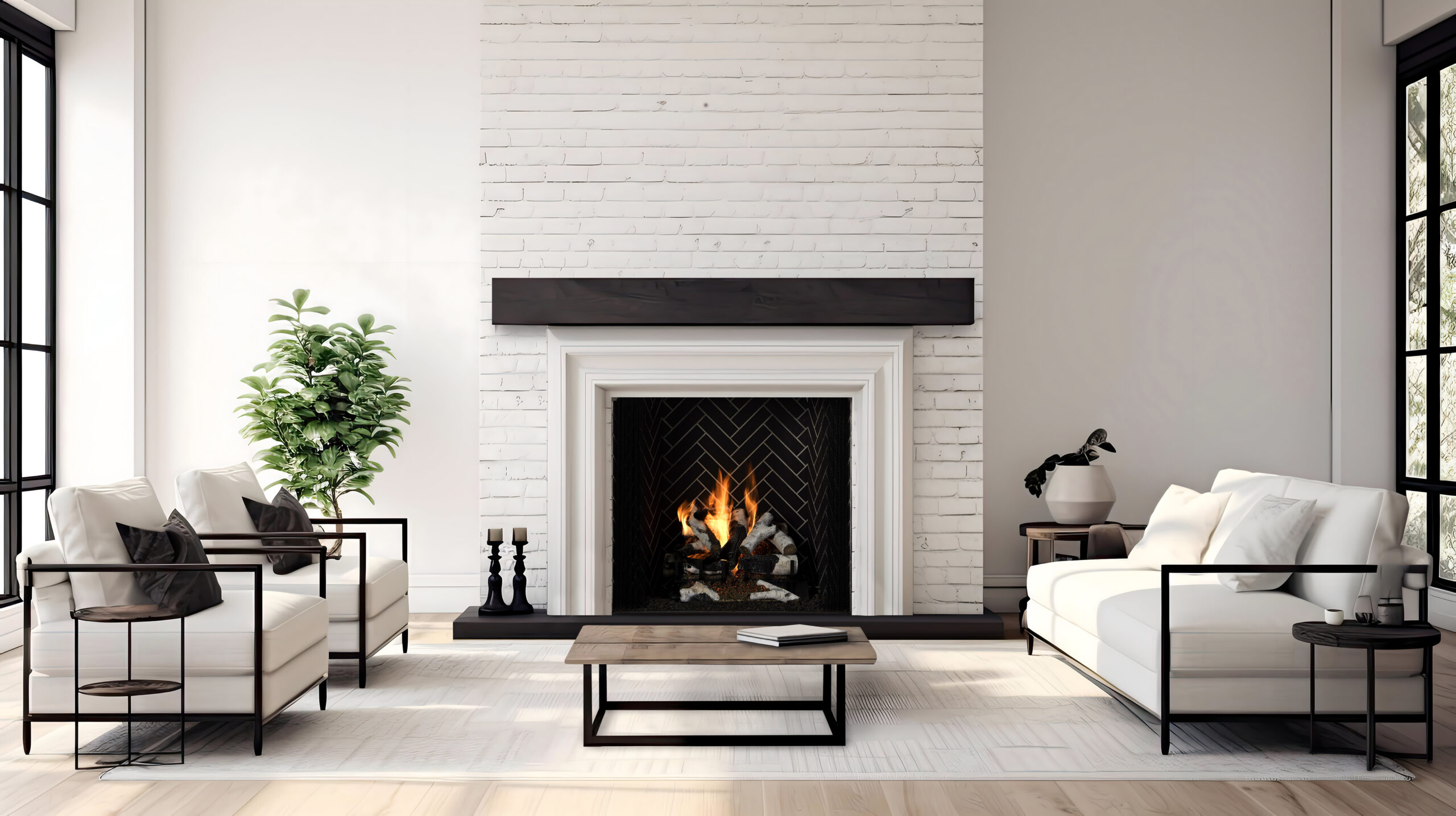
At the end of the day, the right fireplace is the one that fits your home and how you live in it. Your budget, style, layout, and heating needs should all guide the decision.
Working with Fireplace Outfitters on Your Custom Home Build
Bringing in Fireplace Outfitters early can make a noticeable difference. Instead of guessing your way through options, you get real guidance on what will actually work in your home. They can walk you through design ideas, help you choose the right unit, and make sure everything fits your layout properly. Just as important, they coordinate with your builder so there are no surprises during installation. A lot of costly changes happen when fireplace details are left too late. Getting them involved early keeps things smoother and helps you stick to your original plan.
Questions to Ask Your Builder and Fireplace Installer
It is worth slowing down and asking the right questions before anything is finalized. Talk to your builder about framing, support, and how the fireplace will fit into the structure. Then check with your installer about venting, chimney placement, and airflow, since these affect how well the fireplace performs. You will also want to confirm that everything meets local codes so there are no issues later. These conversations might feel small at the time, but they save a lot of trouble down the line. A few clear answers early on can prevent big adjustments later.
Frequently Asked Questions About Wood Fireplaces in Custom Homes
How early in the custom home build process should I plan my wood fireplace?
The earlier, the better. Ideally, you want to think about your fireplace during the design and permitting stage, not after construction begins. Once framing is done, things like chimney placement and clearances are much harder to change. Planning ahead also helps avoid last-minute design compromises and keeps costs from creeping up later in the build.
Can a wood fireplace be the primary heat source in a custom home?
It can be, but in most cases, it works better as a secondary heat source. A wood fireplace can warm a room nicely, but heating an entire home, especially an open-plan one, is a different story. Heat does not always spread evenly. Many homeowners rely on it for comfort and atmosphere, while using another system for consistent heating.
What is the difference between a masonry and prefabricated wood fireplace?
Think of it as custom-built versus ready-made. Masonry fireplaces are built on site using brick or stone, which gives them a more traditional and permanent feel. Prefabricated units come ready to install, making them quicker and more budget-friendly. Both can look great, so it often comes down to how much customization you want and how much you are willing to spend.
Do wood fireplaces require annual maintenance in custom homes?
Yes, wood fireplaces in custom homes require annual maintenance, and it is not something to skip. A yearly chimney cleaning and inspection keeps things safe and running properly. Over time, soot and creosote build up, which can become a fire hazard if left unchecked. If you notice smoke backing up or odd smells, it is a sign to get things checked sooner rather than later.
Are there restrictions on wood burning fireplaces in new custom home builds?
In some areas, yes. Local rules can limit or regulate wood burning fireplaces, especially where air quality is a concern. This usually means you may need to choose an approved or EPA-certified unit. It is always worth checking local codes early, so you do not run into surprises or delays once construction is already underway.
How do I match my wood fireplace design to my custom home architectural style?
You can match your wood fireplace design by looking at the overall style of your home and keeping things consistent. A modern space usually suits clean lines and simple finishes, while a traditional home works well with more detailed surrounds. It helps to plan this with your designer early, so the fireplace feels like it belongs, not something added in later.
Ready to add a wood fireplace to your custom home? Talk to our experts and find the perfect fit for your space, style, and budget.
Free consultations available at all Fireplace Outfitters locations.
Keep Reading
Related Post
Wood Fireplaces in Custom Homes: Design Trends and Planning Guide
Wood fireplaces continue to hold their place as a defining feature in custom homes, not just for warmth but for…
Ben Carney
Why Saunas Are Good for You: Complete Health Guide
Saunas have long been valued as a simple yet powerful way to relax, unwind, and encourage overall well-being. From traditional…
Ben Carney
What Is a Gas Fireplace Insert and How Does It Work
If you’ve ever wondered “what is a gas fireplace insert?,” it’s a sealed unit that turns an old fireplace into…
Ben Carney