The showroom in Hailey is open from 9am - 4pm Monday - Friday

Wood Stoves 101: Guide for Homeowners

Table of Content
Browse Our Wood Stoves Collection
Top Wood Stove Brands We Offer
Subscribe to Our Newsletter
There is something almost magical about the cozy warmth of a wood-burning stove that a standard thermostat just can’t replicate. While central heating is convenient, these wood stoves have been the heart of the home for generations, in which they perfectly blend old-school charm with surprisingly high-tech efficiency.
Beyond that nostalgic, flickering glow, a modern stove is a total powerhouse, radiating consistent heat that reaches into every chilly corner of your living space.
Adding a wood stove to your home is a smart way to slash those rising utility bills while gaining a reliable backup heat source that works even when the power goes out. In this wood burning stove guide, we dive into how these clever machines work, the different types you can choose from, and the essential safety tips every owner needs.
What Is a Wood Burning Stove?
Think of a wood burning stove as a high-performance heat engine wrapped in a rugged, stylish metal shell. While it might look like a simple black box sitting in the corner of a living room, it is actually a carefully engineered appliance designed to squeeze every bit of energy out of a single log.
Unlike an open fireplace, which often sucks warm air out of your house and sends it straight up the chimney, a stove keeps the fire contained within a sealed chamber. This airtight design allows you to control exactly how much oxygen the fire gets, meaning you can dial the heat up for a snowy evening or let it simmer low overnight.
The real magic happens through two different types of heat transfer: radiant and convective. First, the heavy cast iron or steel walls of the stove soak up the fire’s intensity and “radiate” that heat outward. At the same time, the stove acts as a natural air circulator: cool air from the floor is pulled toward the hot metal, warmed up, and then sent rising back into the room.
It’s a brilliant, low-tech way to stay perfectly toasty without ever needing to touch a thermostat.
Upgrade your home with a high-efficiency wood stove that delivers real, bone-warming heat.
Call (208) 578-2184 to get started today.
How Wood Stoves Work
The entire process starts inside the firebox, a heavy-duty chamber designed to keep the flames contained while soaking up intense heat. Unlike an open fire that quickly consumes air and burns out fast, a stove is a master of control.
By using adjustable air vents, you can decide exactly how much oxygen the fire gets. This is the secret to “secondary combustion,” where the stove actually burns the smoke and gases that would normally escape, giving you way more heat from every single log.
Once that metal body gets hot—whether it’s thick steel or classic cast iron—it starts pumping warmth into your room through radiation. To help things along, many modern stoves use quiet electric blowers to grab that hot air and push it further into your house. It’s a brilliant mix of simple physics and clever engineering.
Why Wood Stoves Are Popular for Home Heating
It is no secret why wood stoves are having a major comeback in modern homes. For starters, the sheer “muscle” of the heat they produce is hard to beat. While a furnace might puff out lukewarm air, a wood stove radiates a deep, bone-warming intensity that actually makes you want to curl up nearby. It is like having a private sun right in your living room.
Beyond the raw power, there is a huge environmental and financial win. Wood is a renewable resource, and if you have access to fallen timber or a local supplier, it is often much cheaper than relying on the fluctuating prices of electricity or natural gas. Plus, you just cannot replace the vibe.
The soft crackle of the logs and that golden, flickering glow turn a cold house into a sanctuary. It’s the perfect blend of high-efficiency heating and old-school soul that makes every winter evening feel a little more special.
Wood Stove vs Traditional Fireplace
When you compare a classic open fireplace to a modern wood stove, it is a bit like comparing a breezy campfire to a high-tech furnace. Sure, an open hearth looks stunning and offers those nostalgic crackling sounds, but it is actually a bit of a “heat thief.”
Most of the warmth from a traditional fireplace—along with the heated air already in your room—sprints straight up the chimney, leaving you chilly just a few feet away. They are more about the aesthetic than actual temperature control.
A wood stove, however, is a masterpiece of closed combustion. Because the fire is sealed behind glass, the stove can reach much higher temperatures and radiate that intense heat back into your home instead of losing it to the sky. Research shows that while a fireplace might only be 10% to 30% efficient, a well-made stove can hit over 70%.
Types of Wood Stoves Available
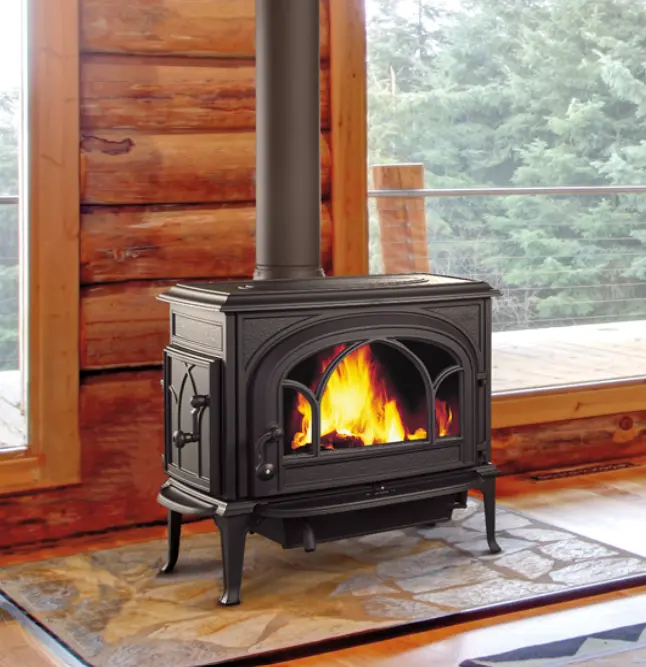
Choosing the right wood stove depends entirely on your floor plan and how much heating work you want the unit to do. Manufacturers now offer several distinct designs, ranging from classic setups to high-efficiency models. These options ensure that whether you live in a small cabin or a large suburban house, there is a specific stove built for your needs.
Catalytic vs. Non-Catalytic Combustion Stoves
Non-catalytic stoves are the most common choice for homeowners because they are simple to operate. They use internal baffles and pre-heated air tubes to re-burn smoke before it leaves the firebox, which creates those beautiful, rolling flames you see through the glass.
They are generally more affordable and great for people who want straightforward, “set-it-and-forget-it” warmth.
On the other hand, catalytic stoves use a specialized honeycomb-shaped ceramic filter that lowers the temperature at which smoke burns. This allows the stove to burn much slower and more efficiently, often providing steady heat for over ten hours on a single load.
While they require a bit more maintenance to keep the catalyst clean, they are a fantastic long-term investment if you plan to use your stove as your primary heat source during long, freezing winters.
Not sure whether catalytic or non-catalytic is right for you? Browse our full range of EPA-certified wood stoves.
Stûv, RAIS, Quadra-Fire, Blaze King, Jøtul, Pacific Energy & more.
Modern EPA Certified Wood Stoves
Following EPA regulations passed in 2020, all wood stoves must emit fewer than 2.5 grams/hour of smoke. This regulation can be achieved with both modern Catalytic and Non-Catalytic stoves. If you are considering replacing your current stove, all new certified models should meet this standard.
These units are built to meet very strict environmental standards, which means they are engineered to burn off the smoke and particles that older stoves simply let escape. By re-burning those gases, the stove produces significantly more heat while releasing very little pollution into the air outside.
Because these stoves are so efficient, you will find yourself making fewer trips to the woodpile. Research shows that EPA-certified models can be up to 50% more energy-efficient than older, non-certified versions.
They keep your glass door cleaner and prevent heavy creosote buildup in your chimney, which makes them a much safer and more cost-effective choice for the long run. You get a hotter fire and a cleaner conscience at the same time.
Benefits of Owning a Wood Stove for Your Home
Owning a wood stove is a practical investment that adds real character to your living space. These units serve a dual purpose by acting as a powerful heating tool and a beautiful centerpiece. You get the functional benefit of high heat output combined with a classic look that fits almost any home decor.
Energy Efficiency and Cost Savings
If you are tired of watching your utility bills climb every winter, a wood stove for home is a fantastic way to take control of your spending. In many parts of the country, firewood is significantly cheaper than electricity, heating oil, or natural gas—especially if you have the space to buy it in bulk or the ability to harvest it yourself.
By using wood as your primary heat source in the rooms you use most, you can turn down your central furnace and save a substantial amount of money over the season.
Modern stoves are specifically engineered to be incredibly efficient with the fuel they consume. Older models used to let most of the heat escape, but new designs use secondary combustion to burn the wood gases as well as the logs. This means you get a much higher heat output from a smaller amount of wood.
Reliable Heat During Power Outages
One of the biggest downsides to modern heating systems is that they usually rely on electricity to run blowers, igniters, or digital thermostats. When a winter storm knocks out the power lines, those systems stop working immediately.
A wood stove, however, is a completely independent heat source. It does not need a grid connection or a battery to keep your family warm, making it an essential backup plan for anyone living in areas prone to snowstorms or high winds.
What’s more, having a wood stove means you never have to worry about your pipes freezing or your house becoming unlivable during an emergency. While everyone else is looking for blankets or running portable generators, you can simply toss another log on the fire to keep the temperature steady.
It provides a level of security and self-sufficiency that is hard to find with any other heating appliance.
Ready to gain a reliable, independent heat source that works even when the power goes out? Let our experts help you choose.
Sustainable Heating Option
For homeowners who care about their environmental footprint, wood is a surprisingly green choice when handled correctly. Unlike coal or gas, firewood is a renewable resource that can be replanted and harvested indefinitely.
When wood comes from sustainably managed forests or fallen trees on your own property, it is considered a carbon-neutral fuel source because the carbon dioxide released during burning is roughly the same amount the tree absorbed while it was growing.
To make things even better, modern EPA-certified stoves are designed to produce very low emissions. These units use advanced internal baffles and air injection systems to ensure that almost all the smoke is consumed inside the firebox before it ever reaches your chimney. This process keeps the air outside cleaner and prevents the buildup of creosote in your flue.
Choosing the Right Wood Stove for Your Home
Picking out a wood stove is a big decision that involves more than just finding a model that looks good in your living room. You need to match the stove’s heating power to the specific size and layout of your home to ensure it runs safely. Getting this right means you will enjoy consistent warmth without wasting any fuel.
Stove Size and Heating Capacity
When you start shopping, you will notice that stoves are rated by BTUs (British Thermal Units) or by the total square footage they can heat. It is tempting to buy the biggest stove available, but an oversized unit can actually make your room uncomfortably hot, forcing you to burn small, smoldering fires that create a lot of smoke and creosote buildup.
On the flip side, a stove that is too small will struggle to keep up during a cold snap, leaving you shivering despite a full firebox.
Most experts suggest looking for a stove that is rated slightly higher than the square footage of the specific area you want to heat. For example, if you have a 1,500-square-foot open-concept floor plan, a stove rated for 1,200 to 1,800 square feet is usually the sweet spot.
Researching your home’s insulation levels and ceiling height will also help you determine the exact heating capacity you need for maximum comfort.
Not sure which stove size fits your space? Our specialists will match you to the perfect model for your square footage and layout.
Free in-home consultation available — no obligation.
Venting and Chimney Requirements
Every wood stove needs a reliable way to get rid of smoke, and that means you need a properly designed chimney or flue system. The chimney does more than just vent exhaust: it creates a “draft,” which is the suction that pulls fresh air into the firebox to keep the wood burning steadily.
If your chimney is too short or has too many bends, the draft will be weak, which will cause the smoke to spill back into your house every time you open the stove door.
You generally have two choices: connecting to an existing masonry chimney with a stainless steel liner or installing a new, double-walled metal chimney through the roof or wall. In the United States, even if your stove does allow for through the wall installation, the termination of the chimney will be required to end vertically, so most stoves are vented through the ceiling.
A straight, vertical path provides the best draft and is much easier to clean. Consider also the location of the stove in your house and how the chimney might terminate outside your house. Nearby hillsides, trees, or opposing structures all impact draft – in general the taller the chimney the better your stove may perform.
Also consider that all chimney caps must terminate 2’ higher than any combustible material within 10’ – this requirement often impacts the best location in your home.
Installation Considerations
To install a wood stove, you have to follow strict “clearance” rules to keep your home safe. Because these units get incredibly hot, they must be placed a specific distance away from combustible materials like drywall, wood trim, and furniture.
If you are tight on space, some stoves come with heat shields that allow you to place them closer to walls, but you still need a non-combustible floor protector, or hearth pad, underneath the unit.
While it might be tempting to save money with a DIY approach, having a professional technician handle the installation is a much smarter move for safety and insurance compliance. A certified installer will make sure the floor can support the heavy weight of the cast iron and that every pipe connection is airtight.
They will also ensure your setup meets local building codes, which ensures your new heating system is both legal and incredibly safe for your family.
Let our certified technicians handle your wood stove installation safely, correctly, and up to local building codes.
Serving Hailey · Twin Falls · Burley · Ketchum · Sun Valley
How to Use and Operate a Wood Stove Safely and Efficiently
If you want to get the most heat out of every log while keeping your home safe, you have to know how to operate a wood burning stove. By mastering a few simple burning techniques and learning how to manage the airflow, you can significantly boost your stove’s performance.
These steps will help you reduce smoke, save fuel, and ensure a cleaner burn every single time. They also make it easier to understand how to use a wood stove the right way.
Preparing the Stove for First Use
Before you even think about striking a match, you need to give your stove and chimney a quick inspection. Check the firebox for any cracks in the firebricks and make sure the door gasket creates a tight, airtight seal when closed.
It is also vital to verify that your chimney is clear of any bird nests or old soot buildup from previous seasons. Open the primary air controls fully to ensure there is plenty of oxygen available for the start-up phase. This preparation ensures that once the fire starts, the smoke has a clear, safe path out of your home.
Lighting a Fire Properly
The best way to start a successful fire is to begin small and build up the heat gradually. Start by placing a few pieces of crumpled newspaper or a natural fire starter at the bottom, followed by a generous layer of dry kindling. Once the kindling is burning brightly and the stove pipe starts to warm up, you can begin adding small logs.
Avoid tossing in huge pieces of wood right away, as they can smother the small flames. As the coal bed grows thicker and hotter, you can transition to larger logs for a long, sustained burn that lasts for hours.
Managing Airflow and Heat Output
Think of the air vents on your stove as the throttle that controls the intensity of the fire. When you first start the fire, you want the vents wide open to provide maximum oxygen for a fast, hot burn. Once the wood is charred and the stove has reached its ideal operating temperature, you can slowly slide the vents toward the closed position.
This restricts the air, slowing down the combustion process so the wood burns longer without wasting energy. Finding the right balance prevents the fire from raging too hot or smoldering out into a smoky mess.
Choosing the Right Firewood
The quality of your firewood is the most important factor in how well your stove performs. Hardwoods like oak, maple, and hickory are the gold standard because they are dense and contain more energy per cord, which allows them to burn much longer and hotter than softwoods.
You must always use “seasoned” wood, which has been dried for at least six months to a year. Avoid burning green or wet wood at all costs, since the moisture inside the wood steals the fire’s heat to evaporate the water, which creates thick smoke and very little actual warmth for your room. Wet wood also increases creosote buildup and the chances of a chimney fire.
See our full wood stove lineup in person and get expert burning tips from our team. Hailey showroom open Mon–Fri, 9am–4pm · (208) 578-2184
Avoiding Common Burning Mistakes
To keep your stove running efficiently, there are a few things you should never put in the firebox. Never burn treated lumber, painted wood, trash, or plastic, as these release toxic chemicals and can damage the internal components of your stove.
Another common error is “dampering down” the fire too much by closing the air vents completely. While you might think this saves wood, it actually causes the fire to smolder, which creates a rapid buildup of creosote in your chimney. Always maintain enough airflow to keep a visible flame and a clean-burning fire.
Wood Stove Maintenance and Care
Taking good care of your wood stove is the best way to ensure it stays both safe and efficient for years to come. Routine maintenance prevents small issues from becoming expensive repairs and keeps the heat flowing smoothly. By following a few simple steps, you can keep your home warm while ensuring the entire system operates exactly as it should.
Cleaning Ash and Debris
While it might be tempting to scrub the firebox clean after every single fire, you actually want to be a bit strategic with your ash removal. Generally, you should scoop out excess ash once it starts to get more than an inch or two deep so it doesn’t block the air intake.
However, leaving a thin layer of ash at the very bottom of the stove is actually helpful. This layer acts as an insulator, protecting the floor of the stove and helping the next fire stay hot by reflecting heat back into the coals.
Chimney and Flue Maintenance
The biggest safety task for any wood stove owner is managing creosote, which is a flammable, tar-like substance that sticks to the inside of your chimney. If you let this buildup get too thick, it can ignite and cause a dangerous chimney fire.
You should have your chimney professionally swept at least once a year, preferably before the cold weather hits. Regular cleaning ensures that smoke can exit freely and that your stove maintains a strong draft, which keeps your indoor air clean and your fire burning bright.
Keep your wood stove running safely all winter. Book your annual chimney sweep and stove inspection with our certified techs.
Seasonal Maintenance Checklist
Before the first fire of the season, check the unit carefully. A simple checklist includes:
- Inspect door seals and gaskets for wear
- Replace seals if they feel hard or frayed
- Check the chimney cap from outside
- Look for debris or nests in the flue
These steps help prevent heat loss and smoky startup problems.
Best Practices of Using Wood Burning Stove
Getting the most out of your wood stove usually comes down to the small habits you develop throughout the year. While the stove itself is a heavy-duty machine, how you treat your fuel and your chimney will determine how much heat you actually feel. Following these simple, researched methods will help you stay warm while keeping your home much safer.
Store Firewood Properly
If you want your wood to burn well, you have to be careful about how you store it outside. It is important to keep your wood pile off the ground, using pallets or a dedicated rack, so it doesn’t soak up moisture from the soil.
You should also ensure there is plenty of space for air to move through the stacks. While a waterproof cover on top is great for keeping rain off, you should leave the sides open so the wind can continue to dry the wood out naturally.
Use Seasoned Wood for Efficiency
Burning “seasoned” wood is the absolute best way to make your stove run at peak performance. Freshly cut wood is full of water, and trying to burn it is a waste of energy because the fire has to boil off that moisture before it can produce any real heat.
Properly seasoned wood has been split and dried for anywhere from six to twelve months. You will know it is ready when the logs feel light, the bark peels off easily, and you see small cracks forming on the ends.
Schedule Annual Inspections
Even if you are careful about what you burn, you should still have a professional inspector look at your setup once a year. A certified technician can see things you might miss, such as small cracks in the chimney liner or warped internal parts.
These inspections are the best way to catch potential venting issues or blockages before they turn into a hazard. Getting an inspection every autumn ensures that when the first big snowstorm hits, you can light your stove without any worries.
Are Wood Stoves Right for Every Home?
While wood stoves are fantastic for creating a warm and inviting environment, they might not be the perfect fit for every single living situation. Deciding if a stove is right for you involves looking at your lifestyle, your home’s layout, and the local rules in your area. Taking the time to evaluate these factors before will save you a lot of hassle later.
Homes Best Suited for Wood Heating
A wood stove is an absolute dream for anyone living in a rural area or on a larger property where firewood is easy to get. If you have a steady supply of timber, you can practically heat your entire home for free while others are paying high utility bills.
These stoves are also perfect for homeowners who want a powerful supplemental heat source to take the chill out of a large basement or a drafty living room. If you enjoy the hands-on process of stacking wood and tending a fire, you will likely find a stove to be a very rewarding addition to your daily routine.
Safety and Building Regulations
Before you buy a stove, you need to check the specific building codes in your town or county. Local laws often dictate exactly how much space you need between the stove and your walls, as well as the type of venting system you must install.
In many regions, you are legally required to use a modern, EPA-certified model to ensure that your home meets air quality standards. Researching these regulations early is vital because it ensures your installation is fully legal, and that your homeowners’ insurance will cover the unit.
When to Consider Alternative Heating Options
There are some situations where a wood stove might not be the most practical choice. For example, if you live in a high-rise apartment or a home without a safe way to install a vertical chimney, a wood-burning setup simply won’t work.
Some densely populated urban areas have very strict emission regulations that might limit or even ban the use of wood-burning appliances during certain times of the year.
In these cases, you might want to look into pellet stoves or electric fireplaces, which provide a similar look without the same venting and smoke requirements.
Frequently Asked Questions About Wood Stoves
Is a wood burning stove cheaper than central heating?
Depending on where you live, using a wood burning stove can drastically lower your monthly bills since it is often much less expensive than paying for electricity or natural gas.
How much wood does a wood stove use per day?
As any reliable wood stove guide will tell you, the amount of wood you will go through depends on the size of your house, how well your rooms are insulated, and how cold it actually is outside.
How long can a wood stove burn on one load of wood?
Many modern, high-efficiency stoves are designed to stay warm for 6 to 12 hours on a single load if you adjust the air vents correctly.
Do wood stoves require professional installation?
One of the most important tips for owning a wood burning stove is getting it installed by a professional because they make sure your stove meets local safety codes and that your chimney is vented exactly right.
Can a wood stove heat an entire house?
A large stove placed in a central area can definitely warm up a whole home, though most people use them to heat the main rooms they spend the most time in.
What type of wood burns best in a wood stove?
Hardwoods like oak, hickory, and maple are your best bet, because they are dense, burn much longer, and give off a lot more heat than softer woods.
Ready to bring the warmth and independence of a wood stove into your home? Talk to our experts and find the perfect fit.
Free consultations available at all Fireplace Outfitters locations.
Keep Reading
Related Post
Wood Fireplaces in Custom Homes: Design Trends and Planning Guide
Wood fireplaces continue to hold their place as a defining feature in custom homes, not just for warmth but for…
Ben Carney
Why Saunas Are Good for You: Complete Health Guide
Saunas have long been valued as a simple yet powerful way to relax, unwind, and encourage overall well-being. From traditional…
Ben Carney
What Is a Gas Fireplace Insert and How Does It Work
If you’ve ever wondered “what is a gas fireplace insert?,” it’s a sealed unit that turns an old fireplace into…
Ben Carney